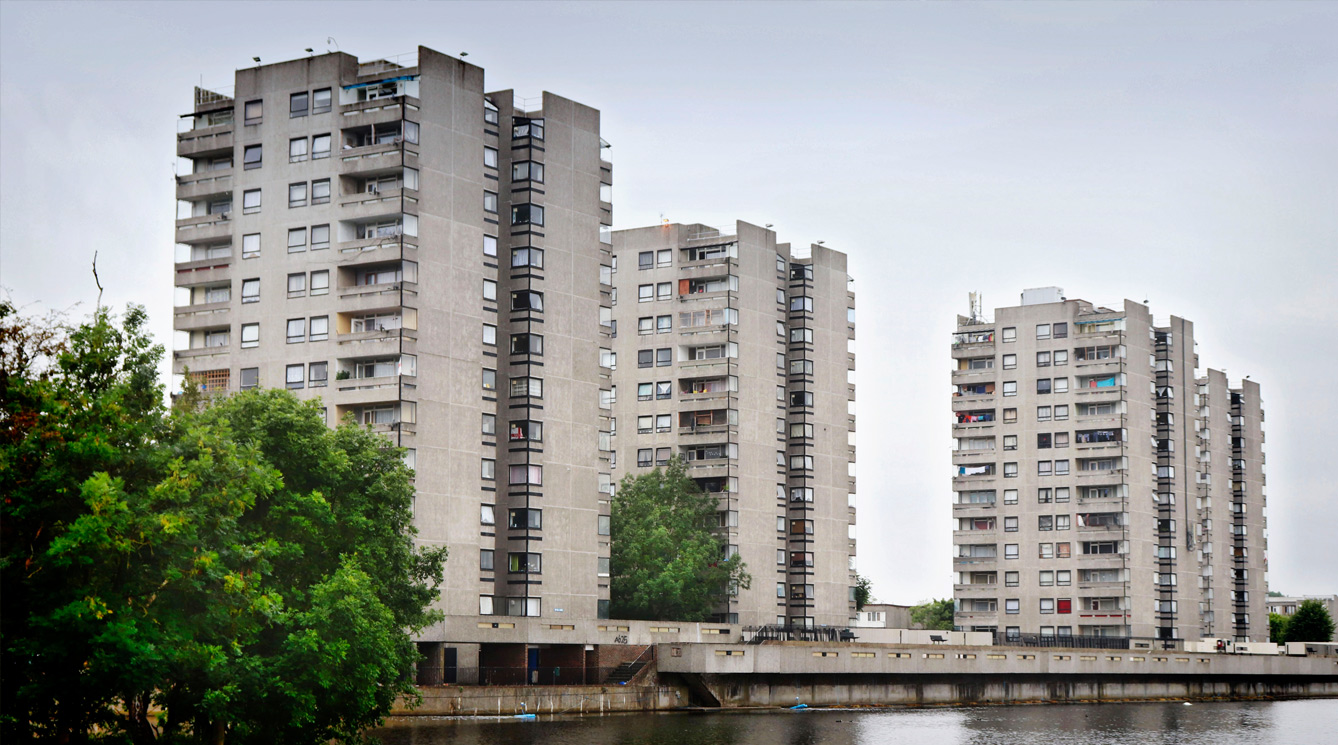
As a set of seemingly bland concrete blocks that have embodied and shaped London’s urban culture over the past half a century, the Thamesmead development has become the victim of social and economic abandonment with the opportunity for change only now being taken advantage of in light of greater advancements in social welfare funding. Visiting the site on a brisk mid-October afternoon in 2019, the juxtaposed reality living in an area troubled by crime and social inequality, to the utopian ‘town of tomorrow’ as Peter Chadwick and Ben Weaver’s book on ’50 years of Thamesmead’ puts it became clear. Along with that, the struggles that such a small and untrusted social housing organisation have in attempting to bring a community as diverse as it is split over several different areas of the development, lovingly known as stages.
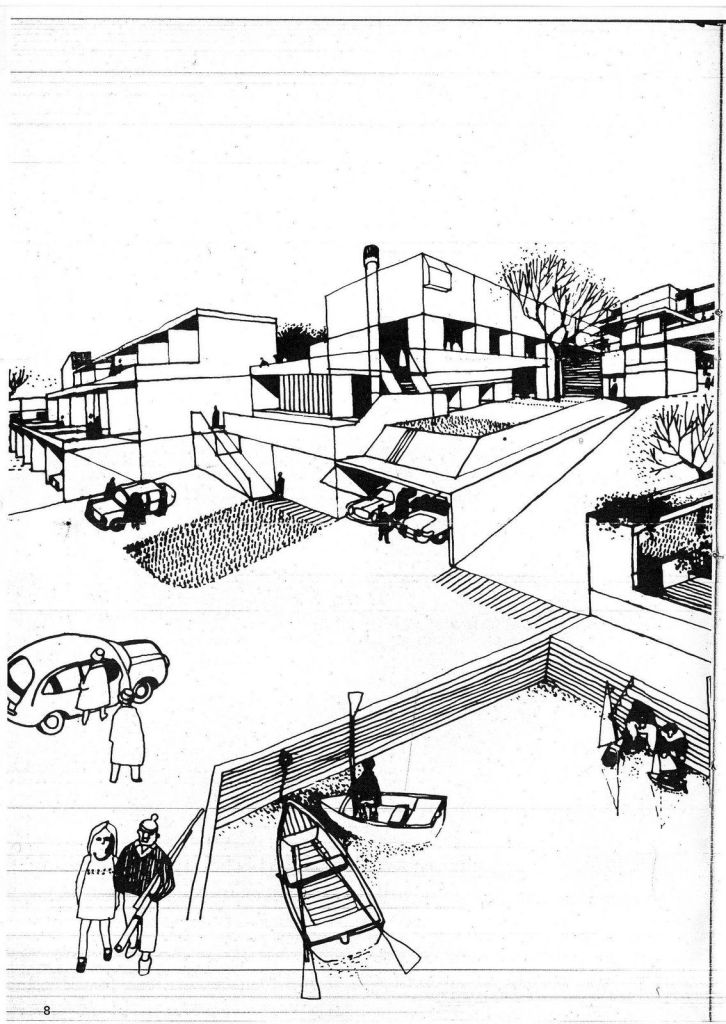
Factors that have really exacerbated problems in the area can be seen in the 1968 promotional video advertising Thamesmead as an attractive place to live for families. The compilation of different film clips showing the various activities that were envisaged for the area to fulfil arguably overestimated what could be done with the quantitive amount of funding they had at the time. This, in combination with issues surrounding the building quality of some blocks meant that only one family was able to move into the facility when flats began to be sold in 1969. Issues such as leaking pipes, structural instability and at points, limited funding marred the social hub Thamesmead was envisaged to become. In addition to the lack of early interest in the project from young families, it allowed the area to diversify with a spurt of and subsequently gave birth to a varied subculture of west African, Nepali-an and traveller communities coming together to build a loving and healthy community.
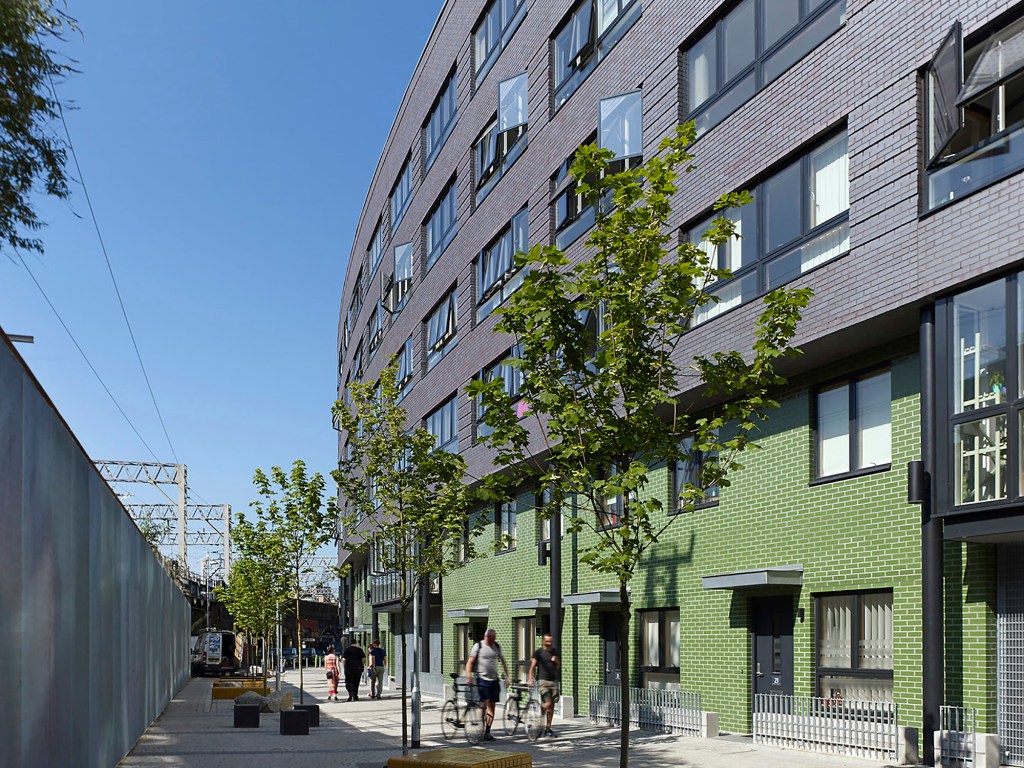
While not a problem, the lack of funding within the community meant many of these flats which were at one point the pride of the Greater London Council (GLC) came into disrepair and with the lack of care to cater for these different communities meant that after the liquidation of the GLC in 1986, there were a spurt of private councils that took over the running of the areas, splitting them up in order to micro-manage and inadvertently, splitting the community more deeply. This change of management, along with newer housing developments meant the original Thamesmead area fell further into issues and meant there was limited funding where and when needed. Only since Peabody have come into the fold in 2018 has the project across all areas owned originally by the GLC come under one management company. While their new developments within the community aim to solve the deep-rooted inequality and poverty that has affected the area so severely over the past 30 years, the issues Peabody currently face are monumental.
This month alone, 33 of the 52 estates, owned by Peabody, have witnessed strike action, accused by estate managers of mal-practice.
(Source: https://www.thirdsector.co.uk/unite-ballots-peabody-trust-managers-strike-action/management/article/1664686)
This is where the Thamesmead cultural Archive project has come in to allow residents the chance to tell the history of the area from an inhabitant’s perspective. As an Informal Archive, they have collated a diverse collection of over 4,000 pieces varying from correspondence between GLC Directors to local news letters from the mid 1980s. This not only helps us to understand what sort of place Thamesmead was in its infancy before it fell into disrepair but can inspire us and future generations for what the area should be and how it should continue to be developed/redeveloped.
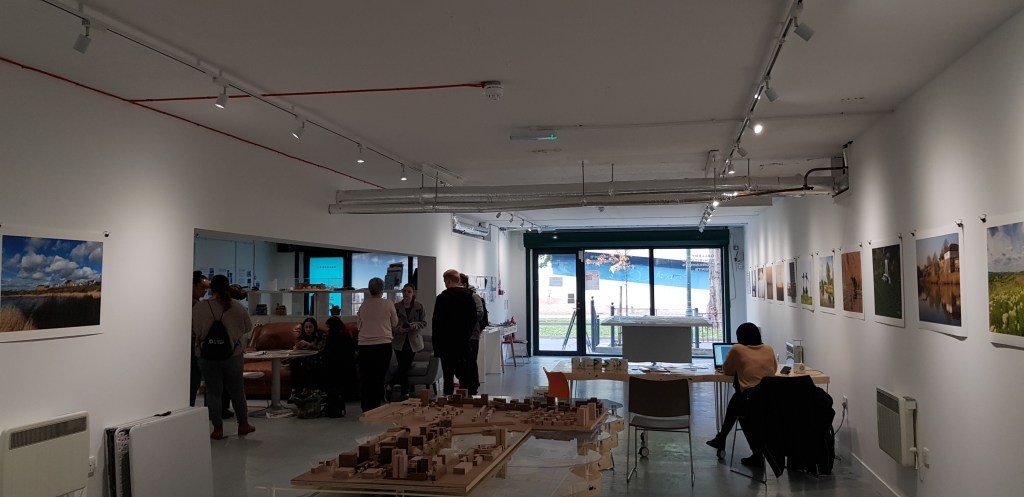
Currently, the archive is facing issues surrounding how it can gain greater support from the local community and create both a more diverse representation of its residents as well as a varied but accurate history of who lived there. Following a tour of the ThamesMead culture project, there are clear problems with the way in which they attempt to provide this outreach. Through an expectance of help and volunteering, in spite of the lack of communal support Peabody has provided, its any wonder that these fundamentally isolated communities have provided any material at all and definitely explains why so many are hesitant, if at all responsive to these calls by the community office.

Source: https://www.peabodycareandsupport.org.uk/
Their attempts to appeal for social involvement falls flat as a consequence of their fundamental lack of desire to better the area for residents, similar to previous owners of the land. The obvious distrust of Peabody means that a lack of interaction is inevitable, and consequently, if any diverse representation of any ethnic or social groups is to be made, the onus is on the organisation to broach relations between these groups and themselves. There would also need to be a permanent social plan for the future in order to subvert fears of their impermanency on the site, with assurances of continuous funding for them in the future. If not, it poses the same potential problem of promising much but delivering little.
There is a further need for greater media involvement in the developments current troubles and consequently, why I am covering this on my blog.

While usually covering politics or travel, I feel this represents a fundamental socio-political problem in the current climate with another general election on the horizon and a post-Brexit recession threatening our economy. To secure independent funding, Thamesmead would need a far greater social media presence in order to gain greater funding for its projects and consequently, enable new developments to be realised or older ones more effectively refurbished. Without a statement of intent or radical actions, Thamesmead’s current social plan will fall by the wayside like many others of its time and leave residents as disillusioned as ever. In addition to this, the malpractice accusations levelled at Peabody leaves their Thamesmead venture morally indeterminate. What does this mean, if anything for the future development of Thamesmead? More to follow soon…
 72° from Chippenham