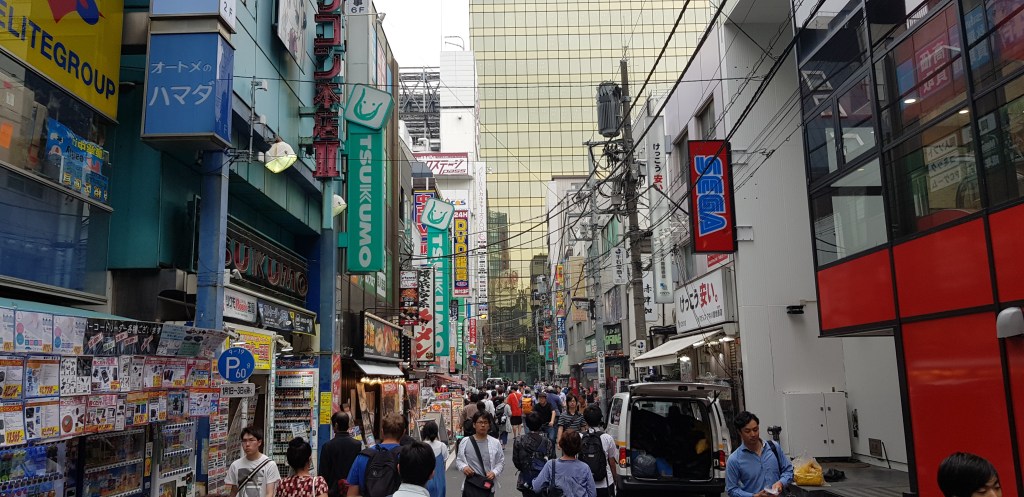
As a cultural crucible between American, European and East Asian influences, Tokyo has for a long time been a place idealised by travellers and merchants alike. While you shouldn’t expect to see Geishas around every corner as the tourist board would have you believe, the diversity under which the city has allowed itself to develop still provides a unique glimpse into a typical Japanese lifestyle, without straying too far from a comfortable frame of reference.
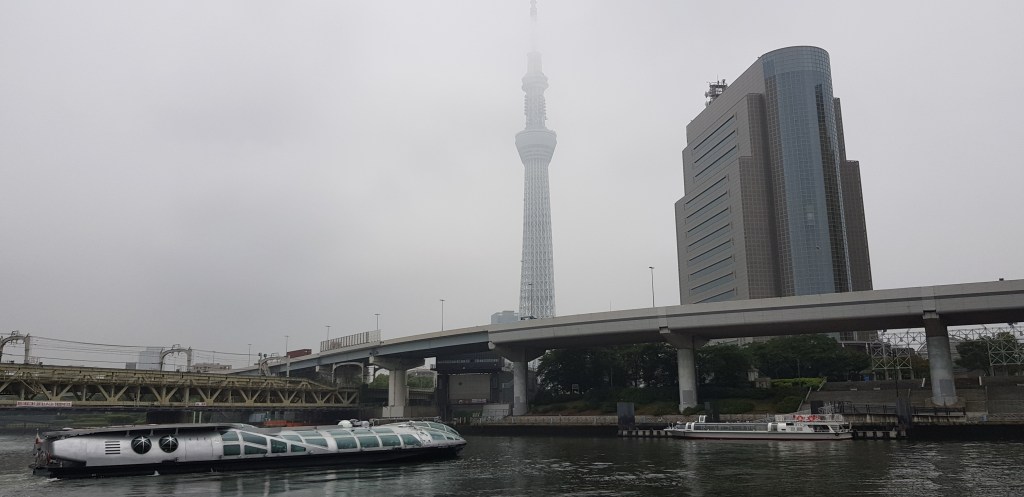
In an area often covered by smog and mist, a sense of scale is hard to achieve on the ground in Tokyo. This is why either seeing it from afar, or at a high altitude is the best way to enjoy the city in brief. As a modern day metropolis, qualities of London, New York and even Paris are seemingly replicated without disrupting the overall flow of the skyline. From the traffic quietly shuffling around vast tower-blocks at rush hour, to the small yet distinct side streets housing sushi houses and boulangeries, the skyline is as (diverse as its inhabitants.
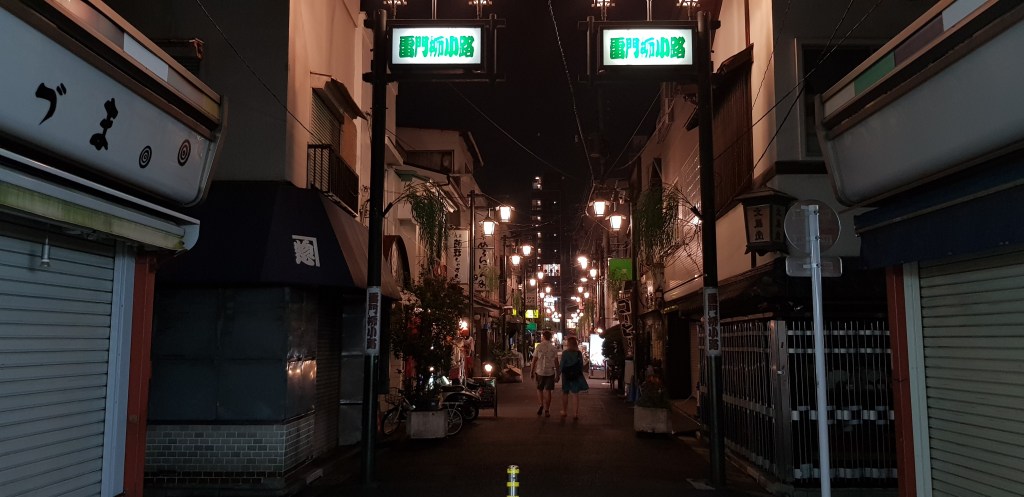
As ever with a population as inclusive as Tokyo’s, there also comes the variety of language. While perceptions of Japan, certainly from an English perspective, emphasise the variation in language and culture from that of our own, it may refresh worried travellers unfamiliar with Japanese that the second most predominant language in Tokyo is English. Honestly, if you’re able to read this effortlessly, you’ll be able to get around Japan just fine. As mentioned earlier, this is again a symbol of the continuing evolution of Japan and the cultural developments it’s endured. From a purely selfish perspective, I felt a little disappointed by how extensive English was utilised across Japanese public services, as I nearly felt I could have been anywhere in Europe or America with how extensively its used (I say nearly for good reason). But there’s no escaping the harsh reality that it remains such a major asset for tourists and new-comers who would otherwise struggle, you’re almost inclined to forgive the city for it. In reality, the contrast Western influences have against a backdrop of traditional Japanese culture give Tokyo a unique feeling unable to be replicated anywhere else.
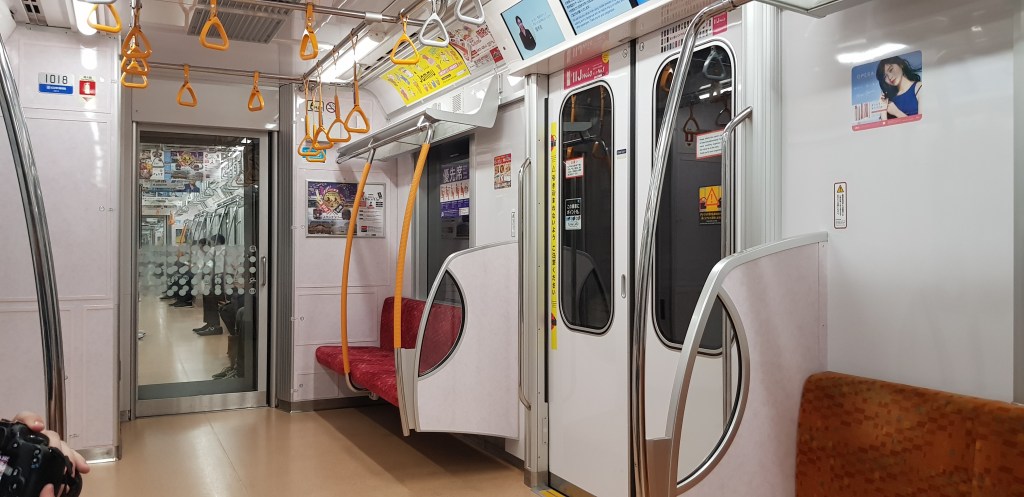
A perfect example of this comes from how you travel around the city. ON average, Japanese workers spend over 6½(1) hours a week commuting to and from work in Tokyo. This clearly forms a considerable part of people’s lives and is subsequently why it’s such an experience as an outsider to be part of. On the surface, the Tokyo Metro system is seemingly less interesting than other subways around the world, with a lack of any station insignia, primarily keeping to the Japanese trend of minimalist design. However, a clue to its individuality can be found when you enter a station. While the lack of any station identity makes it less iconic than that of London’s own Underground, descending into its depths is often accompanied by the continual tweeting of birds. Played on loud speakers dotted around the stations and platforms, its primary aim is to keep commuters awake and alert. When first experiencing this, it comes as a little bit of a shock, especially when you’re used to watching out for birds on the Tube. You expect a Sparrow to come flying past your head but it never comes. Strange yet slightly charming (if you’re not in a rush to get to a meeting on time).
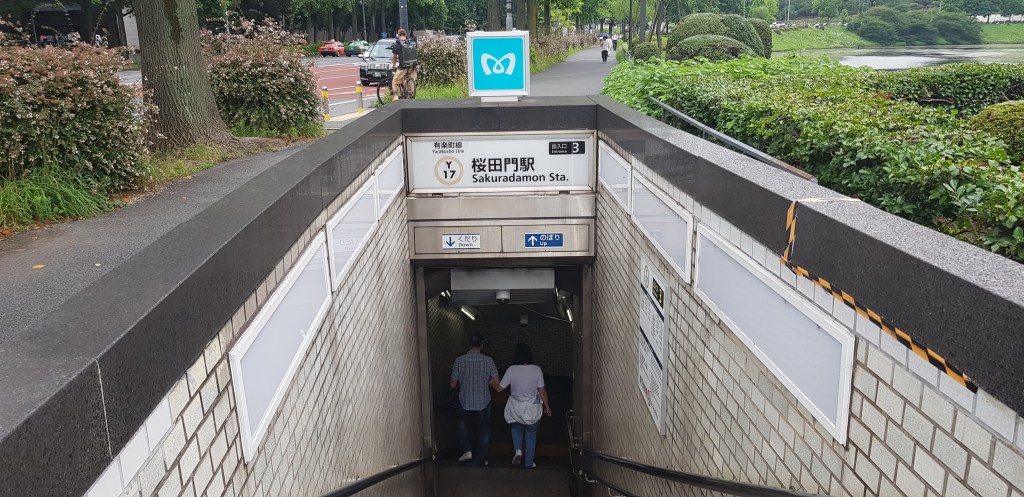
Another aspect that made me fall in love with this country was how clean and well-kept everything was. The level of pride people had in keeping the streets and public services clean fascinated me, an (almost) Londoner used to seeing litter, crisp packets and bottles rattling around the tube system. This isn’t the way in Japan. Everything is spotless throughout each station, almost making you forget that millions of commuters use it every day. With everything so surprisingly clean, the flow between street and metro becomes seamless. Odd though it sounds, as I strode down streets stretching further than the eye could see, I found the lack of rubbish made the satisfying city design all the more prominent.
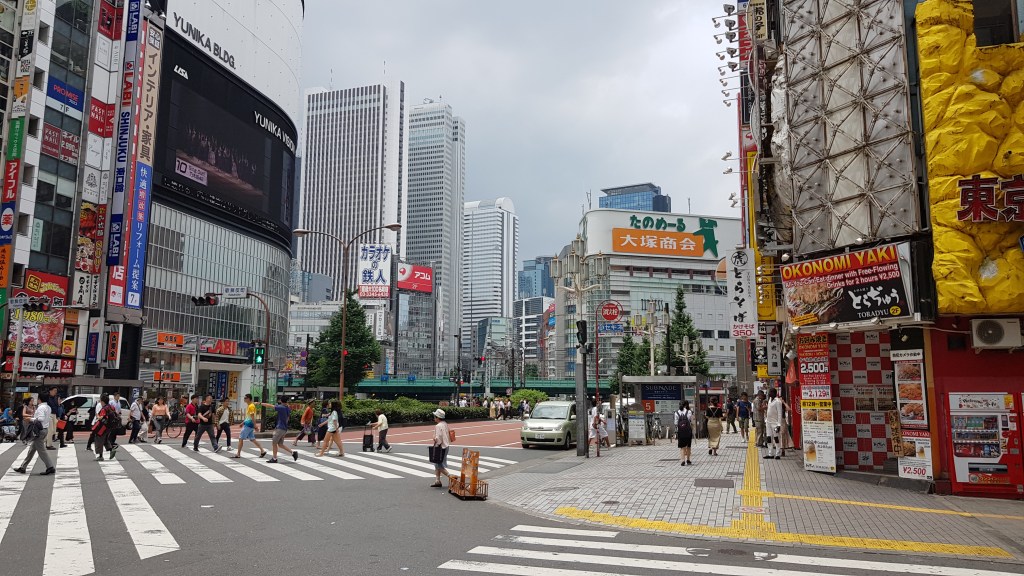
To the occasional reader, it may make Tokyo sound almost dream-like. In many ways, it rather is. 24 hour 7-elevens around every corner, a beacon to wary travellers, casually placed boulangerie on the corner, the smell from which would make a French person blush.
What’s clear in reality is that all these small things cumulatively give Tokyo a reassuring atmosphere that allow travellers to safely experience different facets of Japanese culture without straying too far into unfamiliar territory. As simply a cultural experience, Japan is unique. Always astonishing, continuously fascinating, occasionally confusing, but a true gem to experience first hand.
(1) Source: https://resources.realestate.co.jp/living/average-work-commute-time-japan/
 72° from Chippenham