When exploring the recent political candidates on the UK political scene, I was overcome with a wave of pseudo-nostalgia.
Long before I was born, British politics was male-dominated, a sordid affair of character binaries. Hard-line leftists, young people radicalised by Marx and a qualm against “the man” (i.e.
The Current Political Elite
authority) as well as the older generation, hair held on by straps of wispy beards and shaggy jackets; The right, crisp, immaculate individuals, devoid of colour in their faces, with suits plastered to their bodies like toy soldiers. I embellish, but both groups had preconceived notions of one another, informed by similar caricatures. The politics of today is far more beige than ever before, all players paper cut-outs that could be just as easily replicated by shop-window dummies.
However, in reality, both then and now, many everyday individuals want the same things: Safety, stability, and comfort. The differences come in how parties aim to achieve this. Labour has historically looked forward while channelling the spirit of what had come before in an attempt to maintain a status quo for those that voted for them. The alternative, Conservative philosophy maintains existing structures but seeks to improve them through financial capital and support, also thereby maintaining the status quo.
Who in politics, both domestic and international, among any of the G8+, can honestly say they were motivated by anything other than power. The only country that remains a tenable demonstration of public control and social progression is Scandinavia; The lowest reoffending rate among convicted criminals, Sweden. The highest rate of tax for social investment, Finland. Why has Denmark been consistently described as the happiest country in the world- because it has good education and social support.
The key to all three countries has been a re-focus on the function of politics in the public sphere. Public services are run efficiently through effectively implemented plans, key parameters and a fundamental understanding that these areas are invested in for wider social benefit. Their public systems and administration have evolved but remain centred in their histories and cultures.
When looking to maintain safety, security and comfort, politicians mustn’t look at the adaption of new measures like these as a threat to their national culture. It will be key, in time, to enrich the fabric of our countries and the world more widely. Speaking to a friend over coffee recently, they put it best:
“Shit is warm, so people feel comfortable sitting in it.”
When writing an article or exploring a complex theme, writers tend to dictate the way in which a reader is forced to think and feel about it. Words are deliberately chosen, metaphors extraneously sprinkled like icing sugar, and often with adjectives that go to overcomplicate the subject.
Ultimately, writers sit in an unlikely position in being able to enhance or diminish a topic. As such, can they really be authentic or merely adopt an authentic tone or “persona” while writing? As a difficult subject to write about, the act of exploring it in a literary way through a blog post or book is in itself a post-modern act of self-awareness. This is ultimately where the core of the issue lies.
As a writer, being “real” to readers is key to increasing engagement with their material. With this comes a level of self-awareness, even empathy, a need to keep one’s self in check and conscious acts to maintain the flow of a piece of writing. However, can the control a writer or editor holds over a text they’ve created really be authentic?
Authenticity and authority come from experience and self-assuredness when writing. A conscious stamp to say “Yes, I am a leading person in this field/topic/character”. However, in exerting control to manufacture a piece of writing, we morph it from its original thought and conception into a hybrid.
Can such writing be deemed authentic when self-control and austere controls are placed on them? In the right way, yes. If a writer maintains their original intention, simply chopping at the smaller twigs on the trunk of writing, it can add, even enhance the experience of a reader.
This long rambling tangent of ideas has a point. The writing above is done without control and with little authority. I don’t have much experience in Post-Modern writing theory and the idea of the “authentic” is a synthetic one. We each have our own identities, stories and ideas we wish to communicate, either through writing, acting, art, etc. An artist’s painting is always interpreted differently, dependent on the experiences and circumstances of the viewer. The same stories and writing can evoke different reactions in all of us. This brings me back to my first question, is authenticity real? Can it be, when what we deem authentic can be just as easily re-manufactured? When the same word means different things to different people? In short, yes, but only when we exert our own authority over a text or piece of art.
First of all, Welcome! My name is Chris and this is my blog. I was/am a writer and have been for nearly three years (astonishingly). I used to create for an Automotive journalism company but now work in a sushi company. The reason for this blog has always been to inform, educate and entertain using stories that engage thinking. However, I have been poor at maintaining this for multiple reasons.
Initially, a lack of time owing to my university studies. Then, taking on writing as a full-time role which, as you can imagine, diverted both creative and mental energy away from these efforts. On top of this, my recent relationship with writing has been a solely monetary affair, a dance of bank statements and soul-selling for a sleuth of toxic editors. The result? I lost the will to write.
I see my will as a small doll, a felt patchwork of wordplay, Dad jokes and profound messages; A doll that I’ve found after months of patient tracking across the peaks and troths of emotional mountains.
Ragged and torn in places, I have, however, found it. And what a feeling it is. Doing this now after a months-long break equates to the placement of one’s feet in a well-loved and trusted pair of brown, battered shoes: Reliable, comfortable and reassuringly worn.
For too long this blog has sat, unloved, un-nurtured and blank. I want to change this.
As this rambly stream of words suggests, I’m unsure what to write or where the next step is. I do however hope that this can be a springboard for future work. I keep an open mind and patience in myself that I can make a good go of this and anything else I try, something that in the coming weeks and months, my blog can help inspire you as a reader too.
For now, I plan to update this once weekly with a (hopefully) interesting topic that could, as per my original intention, inform, educate and interest. I will be happy to take any advisories on topics or other materials that could be of interest. I even have a dedicated email for this, christopher.dyer.blogs@gmail.com. I’m always keen to speak to people and understand the topics that matter to them so let me know. I conclude in the same way I started this nearly four years ago, by saying thanks for reading and your continued support!
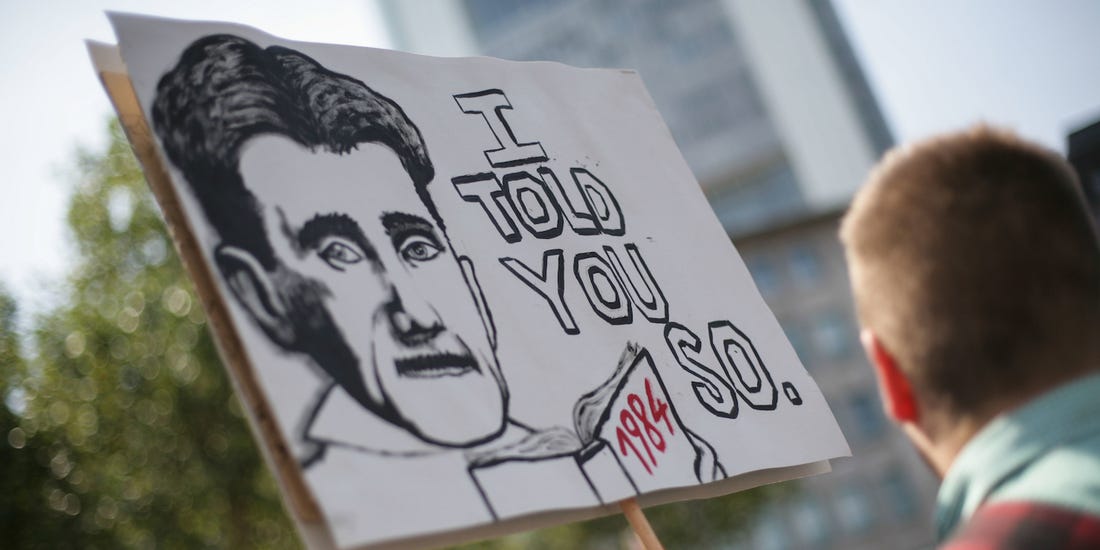
George Orwell in his best-known title “1984”, describes a police state in turmoil, a populous constantly under surveillance and constantly under pressure from the totalitarian rule of the upper classes. The images of poverty and dystopian disfunctionalism that, upon a viewing today, are startlingly similar to the images we see broadcast out of America on a daily basis, reveal the world’s slow move towards the future we thought would never occur.
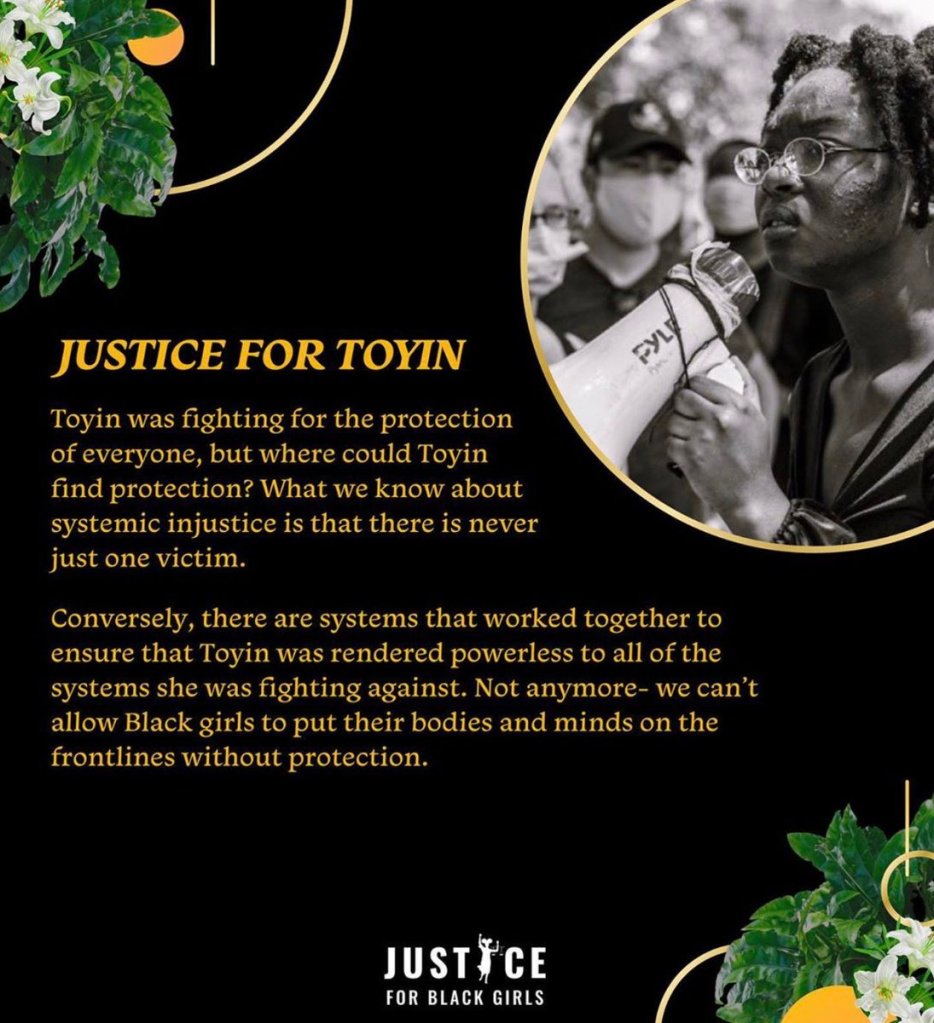
Oluwatoyin Salau has become another victim of this.
Credit: Justice for Black Girls
Murdered in cold blood, although neither police spokespeople, nor governors from the state she was found in, have provided any clarity on the death, even going so far as to ignore her disappearance on the 5th June, motivations to investigate it deriving primarily from a petition from her family, calling for the Tallahassee Police to ‘do their jobs’.
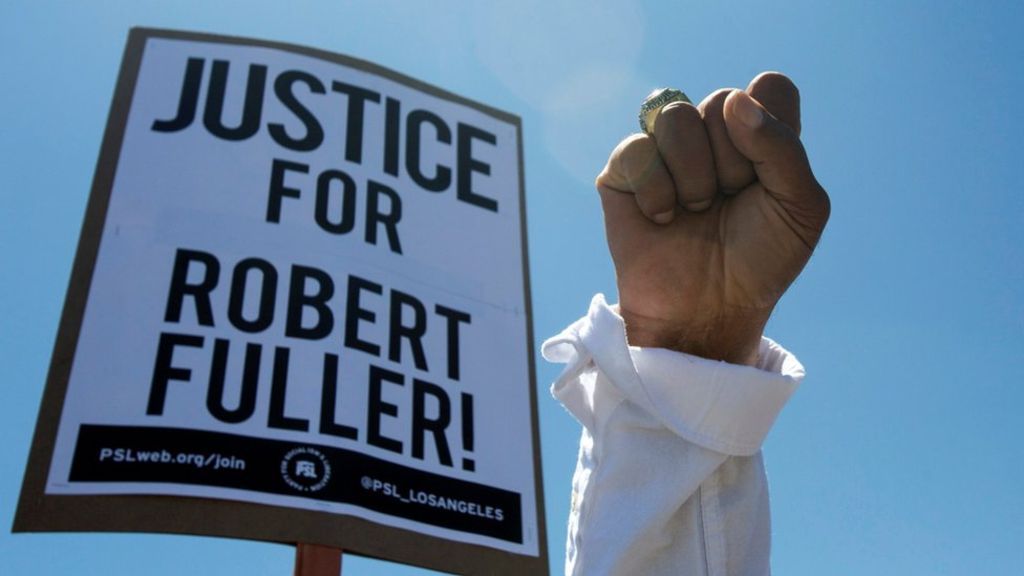
While the police released a statement on Sunday (14th June), said the investigation had been taken up by their ‘violent crimes department’ as part of a double homicide investigation, reports from other sources such as NewsOne have also attributed her murder to a spate of several other ‘suspicious deaths’ of young BLM activists. The most recent, the death of 20-year-old Robert Fuller, found hanging from a tree, led to many calling out the Florida and Tallahassee police departments for their inactivity to investigate these deaths and increased fears of a police cover-up of these deaths.
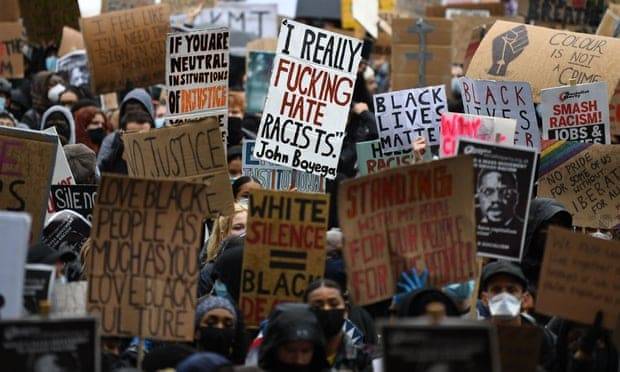
Just one of the many images currently being circulated, capturing calls for police accountability and transparency in the Fuller case. Credit: BBC
Search the hashtag #justiceforToyin and #justiceforRobertFuller, and its abundantly clear, like many people across the U.S., there is an understandable lack of trust of the police, their investigations, and the ‘professional’ approaches to their cases.
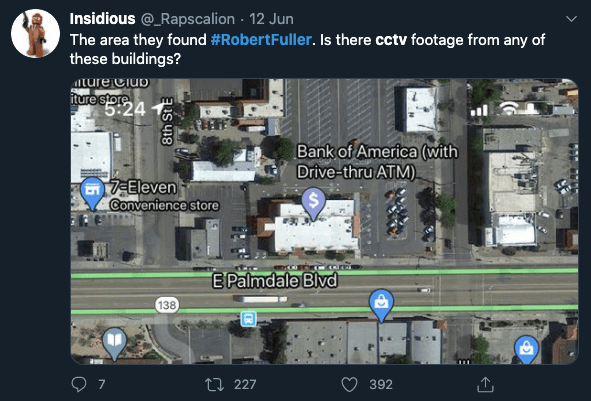
Oluwatoyin Salau was 19 years old. Robert Fuller, 20. Both people around the same age as me and many of the people I go to University with. Salau had been sexually assaulted, then disappeared without trace a day after tweeting about her experience. Robert Fuller was found hanging from a tree, with the Los Angeles police department report stating it was death by ‘likely suicide’ but didn’t have any CCTV available to investigate further. However, Twitter users were quick to point out the broad range of CCTV cameras around the area Fuller was found and could have easily used them to find and convict those responsible. And yet, they didn’t. like Fuller’s death, Salua’s disappearance was only investigated further after a GoFundMe account was set up asking for donations to help independently fund the investigation into her death.
Twitter users pointed out a series of accessible CCTV cameras police could have used in the Fuller investigation. Credit: Twitter/@_Rapscalion
While their deaths are unfortunately part of a greater number of disappearances and murders of other young BLM activists, all surrounded with doubt and suspicion, what is clear is that there may be something linking these deaths significantly bigger than many anticipate. A potentially wider conspiracy against the African American and BAME community in America that needs exposure.
This brings me back to my “1984” metaphor at the start of this article. The book describes a state ‘under constant surveillance’, with the citizens of the imagined state of Oceana spied on to manipulate and control the populous. Many people in the BLM protests have constantly been filming their encounters with police in order to catch any misconduct and discriminatory behaviour on camera.
Potential targets for police violence? Credit: O’Toole
While this is an effective way to record evidence against bad police officers, it doesn’t work properly unless these videos are post and circulated regularly. Before the riots, police officers wore cameras on their uniform which would subsequently livestream to larger server where the videos would be viewed by their local PD. We need to play them at their own game. There needs to be a greater infrastructure in place for people dealing with this violence to be able to wear and record their encounters on an even larger scale than social media and not at the behest of algorithms, a platform accessible to all protestors and litigation teams that could aid in quashing bogus arrest warrants and no-knock raids.
It may be impractical and a farcical idea at that, but unless a radical event changes the police’s approach to suppressing protests and BLM activist murder investigations, there is likely to be little or no change in the depressingly flawed status quo. We all have to stick together to protect those at the behest of systematic and historically perpetuated racial abuse. This isn’t just some social media trend, these are real people and real situations we have to confront for the state of ours and our children’s futures.
Silence is standing with the enemy – Mahatma Gandhi
Limitations to free-speech, the introduction of the national guard against peaceful protestors and the protection of problematic police officers…
The American riots epitomise the failure of a self-proclaimed first world state and its attempt to uphold civility and humanity for its people. A number of articles and journals have already been published in the shadow of George Floyd’s death and the countless other who have died at the behest of opportunistic and deliberately targeted police violence. Innocent people have died because of ill-education, racial discrimination and floundering attempts to maintain a white nationalistic hegemony in a society becoming ever-more liberalised. The Police and the systematic violence they exhibit is, without a doubt, a reaction to this; a challenge to the modernity that forward-thinking ideals of 21st century society have fostered and attempts to marginalise the hateful rhetoric of the far right.
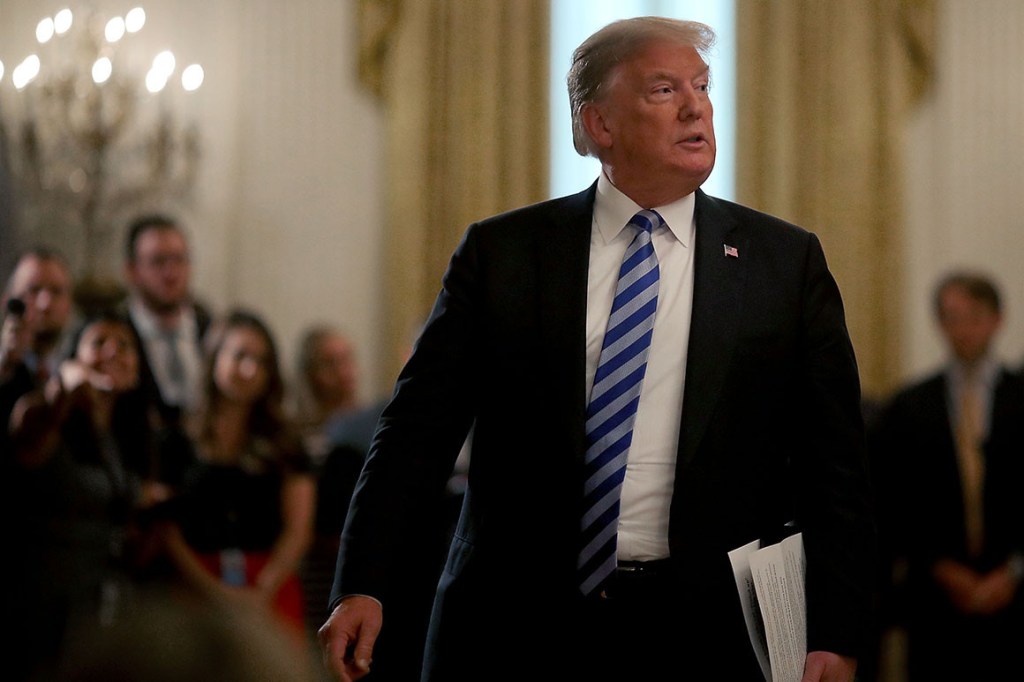
Trump: A Political Conman for the Old Guard Source: Politico
Ultimately, the polarisation of American politics between the old staunch Conservative guard and the increasingly influential liberal reformers such as Sanders and Ocasio-Cortez will characterise the Trump Presidency in the years to come.
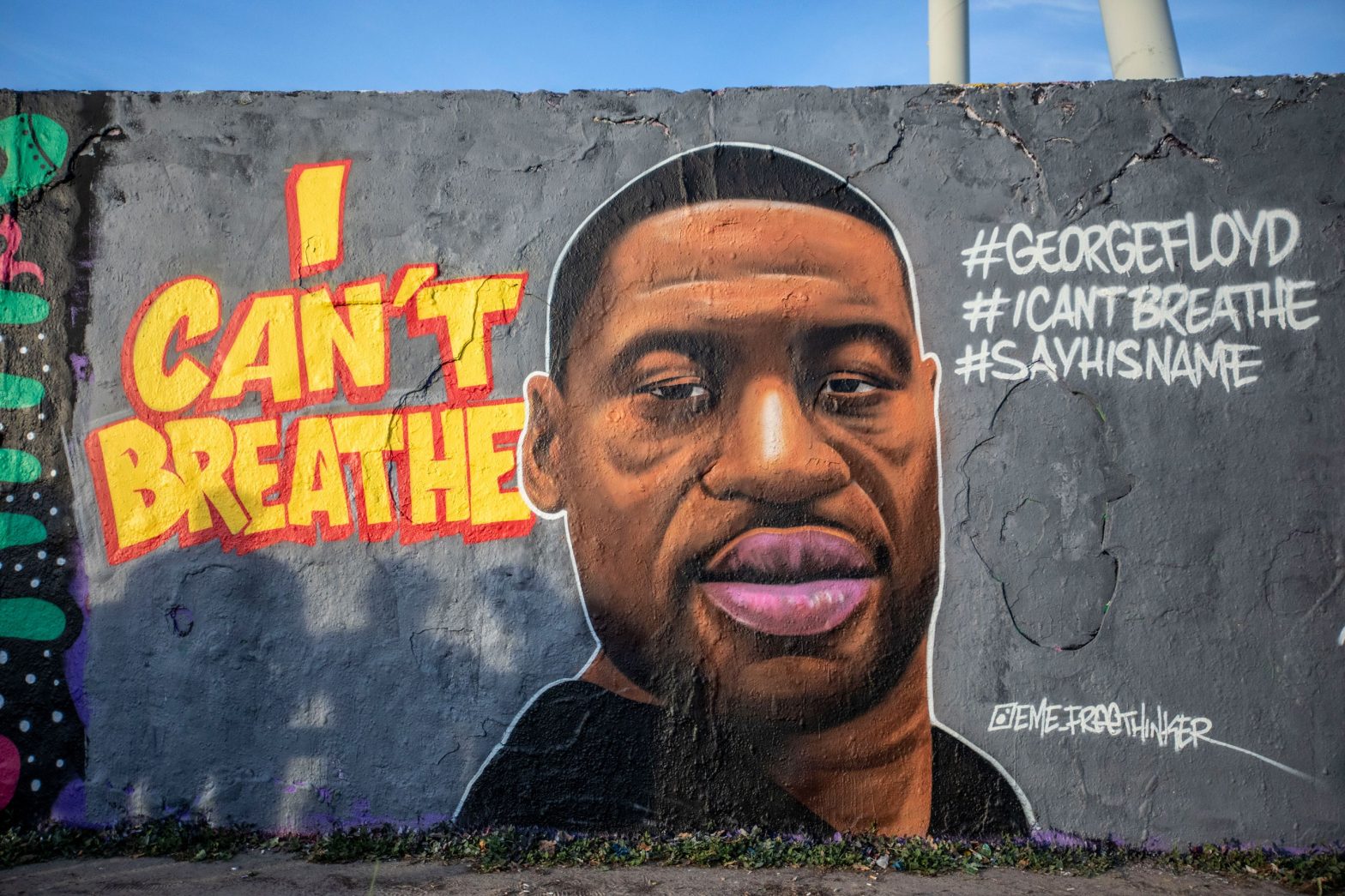
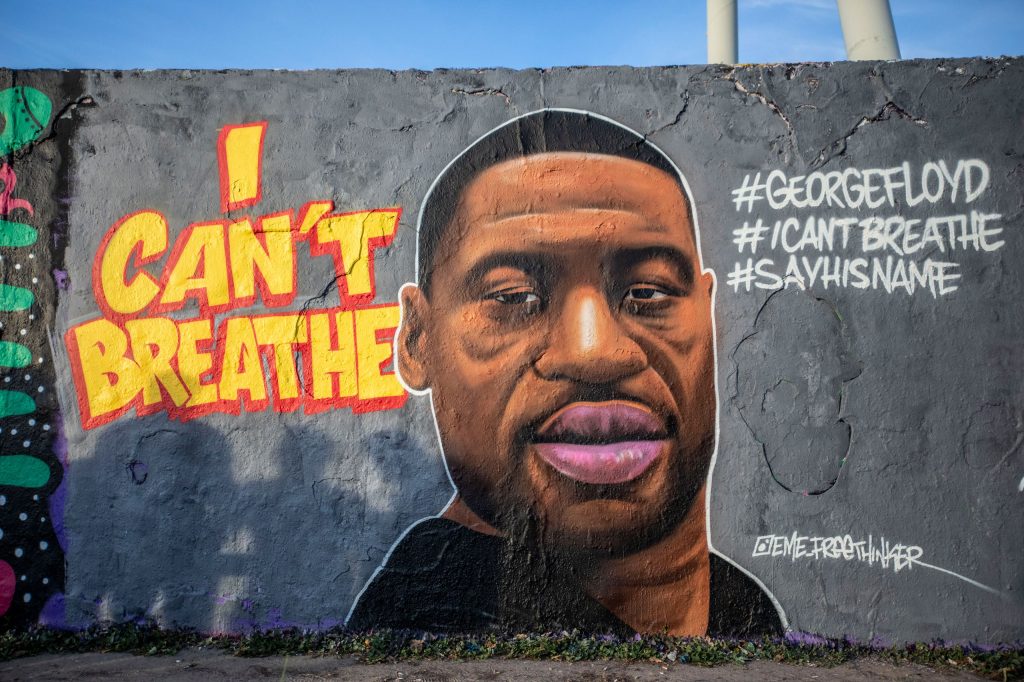
George Floyd’s unjust death was the catalyst for the riots around the world and calls for police defunding in the USA and Canada. Source: The New Yorker
As such, there has been increasingly pertinent questions on how society should react not only to Floyd’s death but also to the corrupt and unequal basis on which our lives, social values and economies have been built. The increasing prominence of the Black Lives Matter movement has been key to the spread of useful and educational sources on police brutality in the west, giving subscribers to their social media accounts vital information to drive the fight and arguments against bias and social inequality. Their call for ‘sustainable transformation’ as mentioned in their social media posts, is one that needs to be acknowledged and acted on by everyone, not just those who seek social change. We need to recognise that this is a fight for every man woman and child, a fight for a future undivided by social biases that would bring us closer together as a people and a society at large. If you protest for climate change, you should be protesting against systematic racism. The same sources perpetuate the same problems. While polluting the environment, these corporations pay no tax meaning the financial burden of taxation rests solely on a significant portion of the African American community. This forms part of what Richard Rothstein argues is a tax system that is ‘unlawful’ and ‘racial disparate’[1]. For greater clarity and information on this, Rothstein’s article on taxation in America is an interesting read here.
Among other big brand names, the coffee chain ‘Starbucks’ is one o the biggest corporations that pollutes the country and pays little state tax. They promote inequality by leeching off low-income households and consequently, limit funding accessible for beneficial community outreach programmes in the U.S. Credit: Mark Makela, Source: NPR
An example of this comes with Starbucks paying less than 0% federal tax and also being blamed as one of the main sources of plastic pollution in America in 2018, according to WaterAid. The same can be said for Levi’s, which also paid 0% tax and as the climate action group Stand.Earth claims, produces an equivalent pollution per annuum of 1.1 million cars[2]. These corperations, among others such as Netflix, Avis car rental, and Nvidia[3] support the inequality and unfair treatment their brands try desperately hard to distance themselves from. Whether you support them or use their products is up to you, but I certainly won’t be buying Levi’s jeans or having a coffee from Starbucks for the foreseeable future.
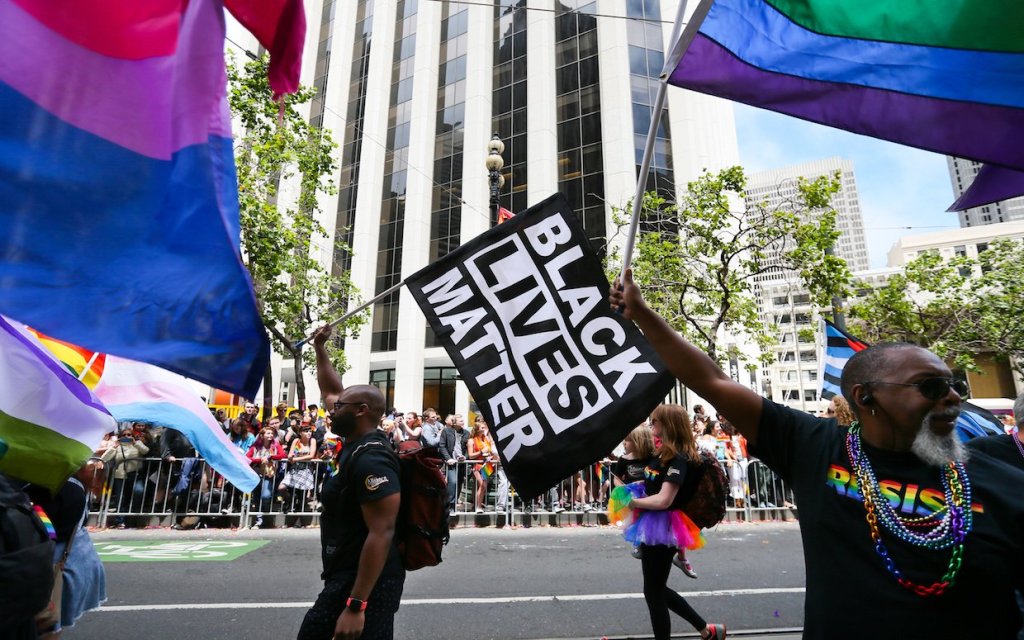
Black Lives Matter and LGBTQ+ share similar goals, so we all need to rally around those in the most need of protection to aid in promoting equality for all! Credit: Elijah Nouvelage, Source: Parade
If you support the LGBTQ+ movements and charities that help so many people come to terms with their identity and sexuality, you should also be supporting those seeking equality and identity for themselves. When researching this article, I found an excess of resources from authors such as Kimberlé Crenshaw and W. E. B. Du Bois on the intersectionality of race, sexuality and the duality of discrimination between them. Detailing their theories and the interesting historiography behind them deserves an article of itself but for now, I will link their works in the historiography below[4]. Needless to say, the role of race and sexuality is interlinked by the shared discrimination both groups faced and in places, still continue to face in 2020.
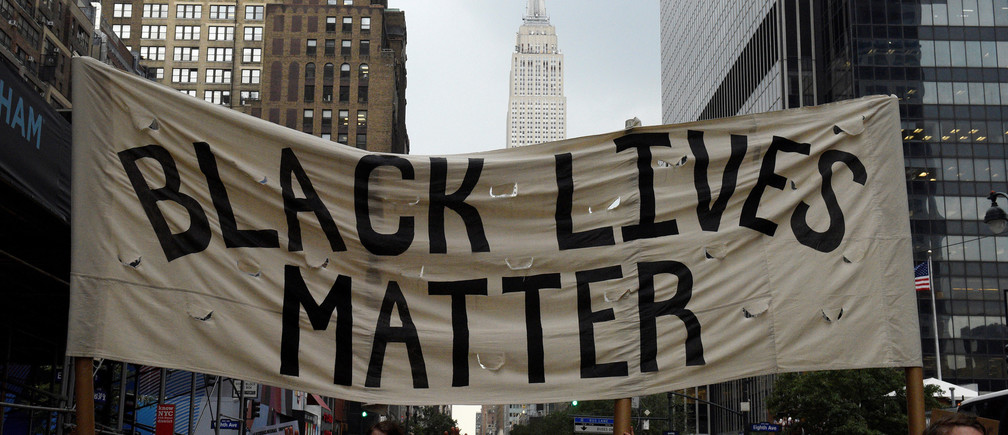
Any action is better the inaction, any words are better than none at all. This problem is a global one, and one we both as a local and national community need to tackle together as one. Source: World Economic Forum.
What these minor examples illustrate is that this isn’t simply about the death of another innocent black man at the hands of social injustice and the role of the American police as the last official vestige of United States’ historic ties to the slave trade[5]. It shows this is a problem we as a group of people, regardless of our colour creed, political or religious beliefs, need to address for our brothers and sisters dealing a totalitarian ruler and oppressive government controls. As Mahatma Gandhi once powerfully argued, ‘Silence is standing with the enemy’.
To donate to the Black Lives Matter Global Network, click here.
[4] LGBTQ+ Sources of Interest: – Balsam, Kimberly F., Yamile Molina, Blair Beadnell, Jane Simoni, and Karina Walters. ‘Measuring Multiple Minority Stress: The LGBT People of Color Microaggressions Scale’. Cultural Diversity & Ethnic Minority Psychology 17, no. 2 (April 2011): 163–74. – Bois, W. E. B. Du. Black Reconstruction in America: Toward a History of the Part Which Black Folk Played in the Attempt to Reconstruct Democracy in America, 1860-1880. Transaction Publishers, 2013. – Carbado, Devon. Black Men on Race, Gender, and Sexuality: A Critical Reader. NYU Press, 1999. – Crenshaw, Kimberle. ‘Mapping the Margins: Intersectionality, Identity Politics, and Violence against Women of Color’. Stanford Law Review 43, no. 6 (1991): 1241–99.
– Dunning, Stefanie K. Queer in Black and White: Interraciality, Same Sex Desire, and Contemporary African American Culture. Indiana University Press, 2009.
– Loue, Sana. Assessing Race, Ethnicity and Gender in Health. Springer Science & Business Media, 2006.
– Yamada, Ann-Marie, Hazel R. Atuel, and Eugenia L. Weiss. Handbook of Multicultural Mental Health: Chapter 20. Military Culture and Multicultural Diversity among Military Service Members: Implications for Mental Health Providers. Elsevier Inc. Chapters, 2013.
[5] Hadden, Sally E. Slave Patrols: Law and Violence in Virginia and the Carolinas. Harvard University Press, 2003.
…there exists only a finite number of people willing to research and challenge the information fed to us by politicians…
Society is as society does. People are set in their own way and some are unable to change. There is often a clear mandate by the people: to humiliate and manipulate, gender and discriminate, isolate and chastise anyone person or perspectives introduced to them. by those in the Whether this is down to human nature or simply owing to a person’s own personality is a discussion for another time. The point is, contemporary society lacks a desire to understand the full stories that dominate the society they live in.
It can be argued that the rise of fact checking within politics and the continual emphasis on subverting the cringeworthy Trumpism ‘Fake News’ is a clear illustration of the opposite. In truth, there exists only a finite number of people willing to research and challenge the information fed to us by politicians or political organisations. Similarly in our immediate real-life social sphere, there is a fundamental lack of desire to question sensationalistic rumours or subvert them if necessary. People are much more likely to accept and back away from problems or problematic influences without fully questioning the authenticity of them. This attitude is seemingly ingrained into the psyche of people and is sadly something that has been taken advantage of by large and influential companies or conglomerates of recent.
For instance, in the U.K. there is currently a General Election based on Brexit. In the last couple of weeks, the Conservative party under Boris Johnson has rebranded its Twitter handle from its party branding, to that of a fact-checking organisation. While broadly satirised by comedic Television programmes such as Have I got News for you (Hat Trick Productions, BBC, 2019.) or The Last Leg (Endeamol, Channel 4, 2019.), I believe the change is symptomatic of something broader and much more serious. In cultivating a brand identity based on truth and our ability as the general public to ‘trust’ these companies or Corporations, it provides them a mode to assert greater authority over what we understand to be ‘true’ in the traditional sense. Indeed, without mediation, the ‘fake news’ epidemic can only get worse.
Consequently, caution needs to be exerted during this general election period and as a suggestible electorate (see Brexit Bus), question what the main parties are saying. Actively engage with the politicians and the politics of our societal problems, and perhaps once we’ve cast our vote on December 12th, we can make a difference.
(Cover Photo: Boris Johnson as The Joker by James Mylne, Credit: James Mylne)
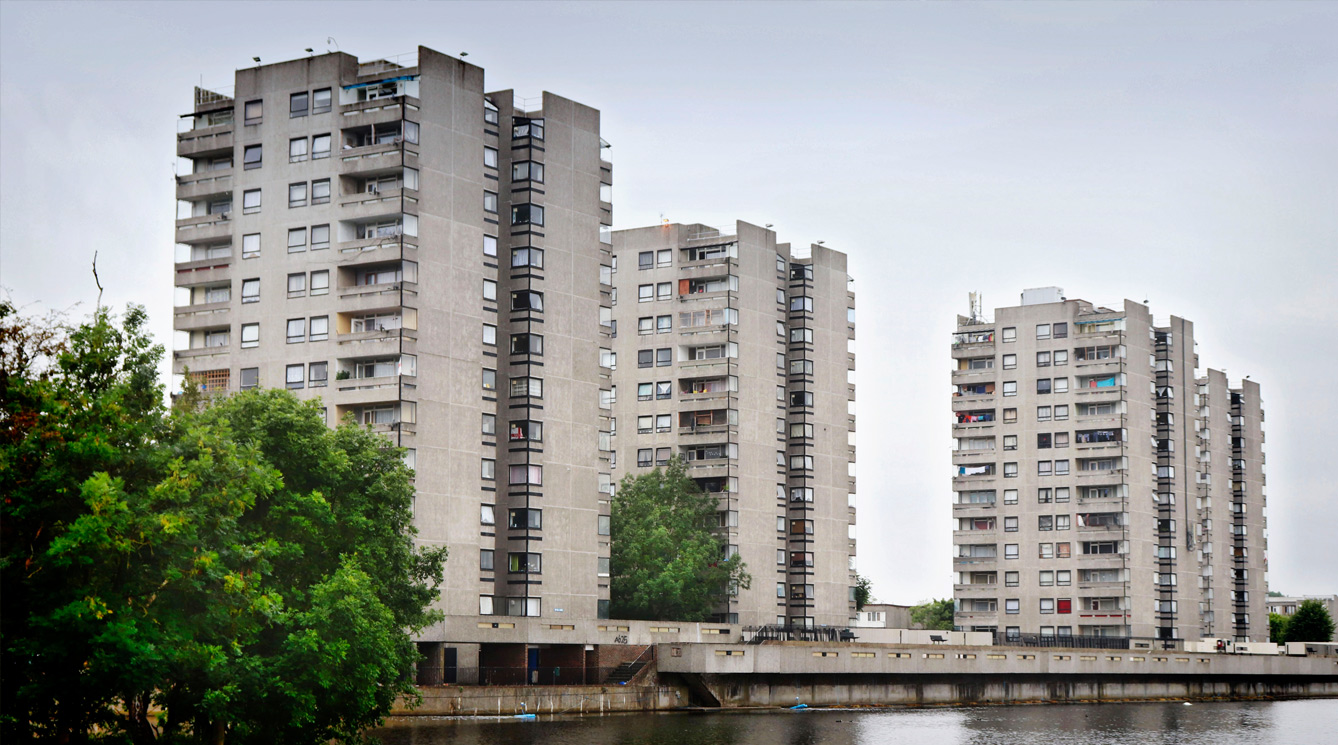
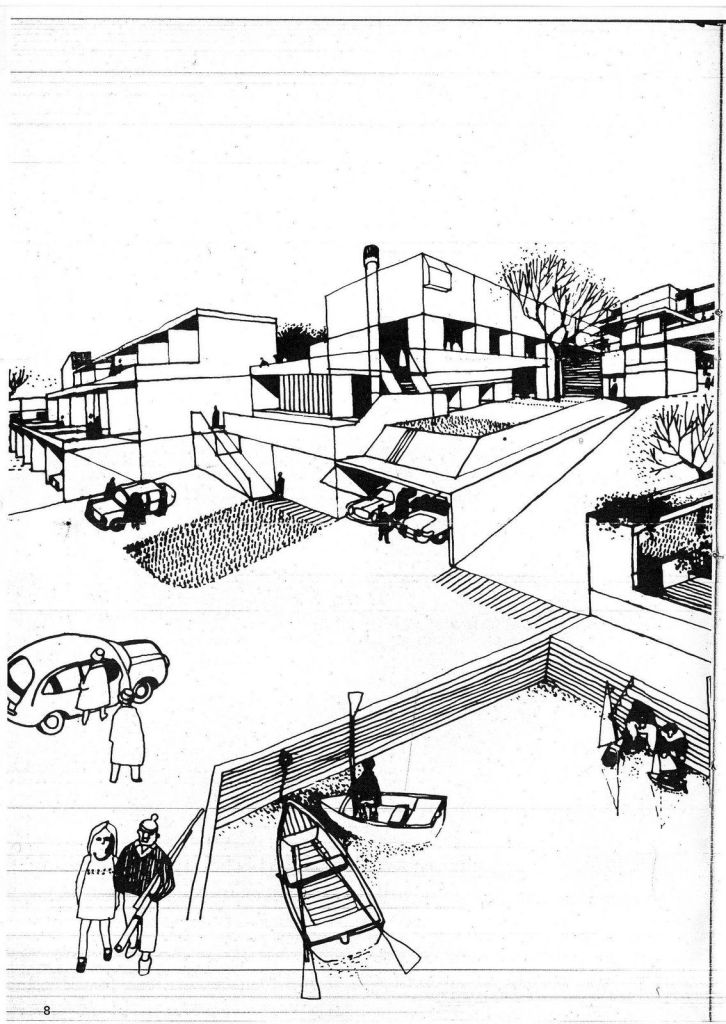
As a set of seemingly bland concrete blocks that have embodied and shaped London’s urban culture over the past half a century, the Thamesmead development has become the victim of social and economic abandonment with the opportunity for change only now being taken advantage of in light of greater advancements in social welfare funding. Visiting the site on a brisk mid-October afternoon in 2019, the juxtaposed reality living in an area troubled by crime and social inequality, to the utopian ‘town of tomorrow’ as Peter Chadwick and Ben Weaver’s book on ’50 years of Thamesmead’ puts it became clear. Along with that, the struggles that such a small and untrusted social housing organisation have in attempting to bring a community as diverse as it is split over several different areas of the development, lovingly known as stages.
A promotional Sketch for Thamesmead’s construction, circa. 1965.
Factors that have really exacerbated problems in the area can be seen in the 1968 promotional video advertising Thamesmead as an attractive place to live for families. The compilation of different film clips showing the various activities that were envisaged for the area to fulfil arguably overestimated what could be done with the quantitive amount of funding they had at the time. This, in combination with issues surrounding the building quality of some blocks meant that only one family was able to move into the facility when flats began to be sold in 1969. Issues such as leaking pipes, structural instability and at points, limited funding marred the social hub Thamesmead was envisaged to become. In addition to the lack of early interest in the project from young families, it allowed the area to diversify with a spurt of and subsequently gave birth to a varied subculture of west African, Nepali-an and traveller communities coming together to build a loving and healthy community.
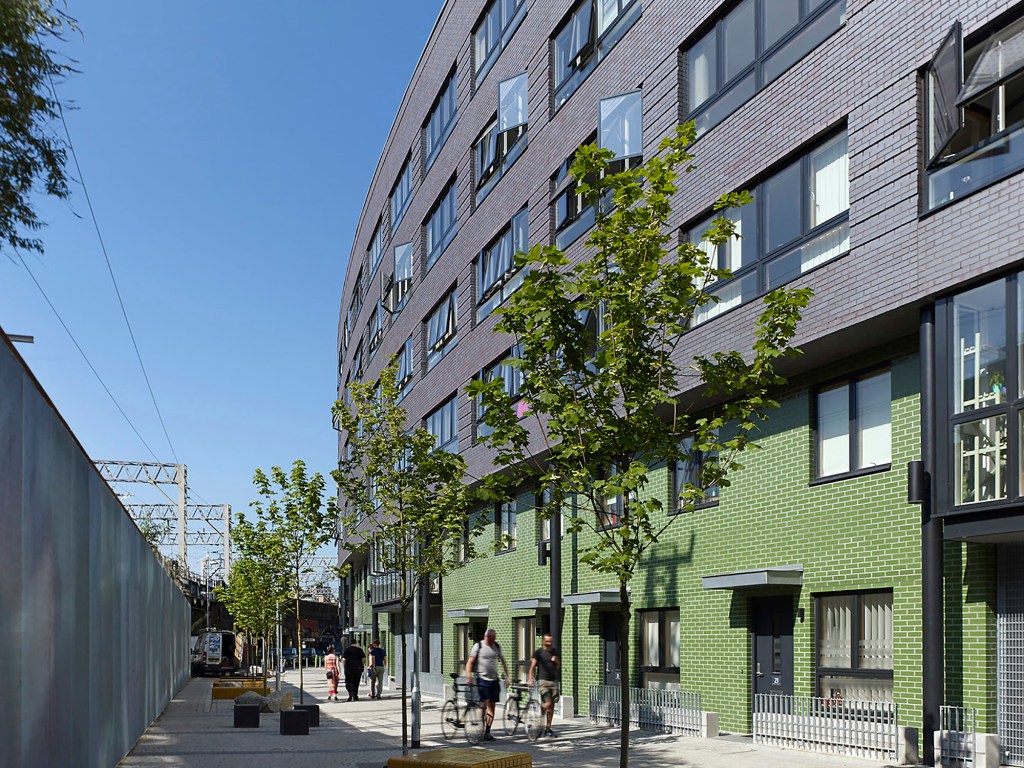
Peabody already own several successful developments across the city.
While not a problem, the lack of funding within the community meant many of these flats which were at one point the pride of the Greater London Council (GLC) came into disrepair and with the lack of care to cater for these different communities meant that after the liquidation of the GLC in 1986, there were a spurt of private councils that took over the running of the areas, splitting them up in order to micro-manage and inadvertently, splitting the community more deeply. This change of management, along with newer housing developments meant the original Thamesmead area fell further into issues and meant there was limited funding where and when needed. Only since Peabody have come into the fold in 2018 has the project across all areas owned originally by the GLC come under one management company. While their new developments within the community aim to solve the deep-rooted inequality and poverty that has affected the area so severely over the past 30 years, the issues Peabody currently face are monumental.
This month alone, 33 of the 52 estates, owned by Peabody, have witnessed strike action, accused by estate managers of mal-practice.
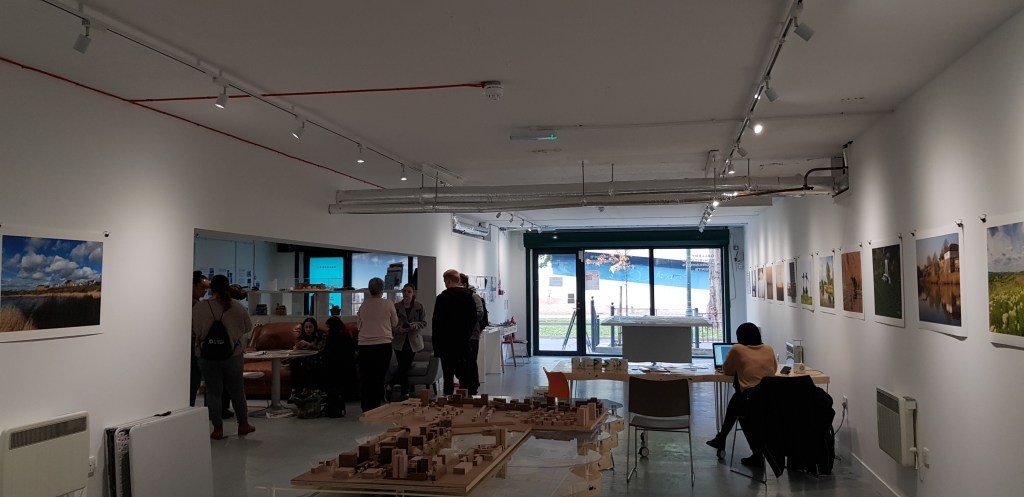
This is where the Thamesmead cultural Archive project has come in to allow residents the chance to tell the history of the area from an inhabitant’s perspective. As an Informal Archive, they have collated a diverse collection of over 4,000 pieces varying from correspondence between GLC Directors to local news letters from the mid 1980s. This not only helps us to understand what sort of place Thamesmead was in its infancy before it fell into disrepair but can inspire us and future generations for what the area should be and how it should continue to be developed/redeveloped.
The ‘Thamesmead Cultural Centre’, although it seems unsure of the culture it wants to put forward…
Currently, the archive is facing issues surrounding how it can gain greater support from the local community and create both a more diverse representation of its residents as well as a varied but accurate history of who lived there. Following a tour of the ThamesMead culture project, there are clear problems with the way in which they attempt to provide this outreach. Through an expectance of help and volunteering, in spite of the lack of communal support Peabody has provided, its any wonder that these fundamentally isolated communities have provided any material at all and definitely explains why so many are hesitant, if at all responsive to these calls by the community office.
Their website tag-line say that they’re a ‘specialist housing and care supplier’ who aim to help residents feel ‘safe, happy and independent’. How happy and cared for does your management feel Peabody? Source: https://www.peabodycareandsupport.org.uk/
Their attempts to appeal for social involvement falls flat as a consequence of their fundamental lack of desire to better the area for residents, similar to previous owners of the land. The obvious distrust of Peabody means that a lack of interaction is inevitable, and consequently, if any diverse representation of any ethnic or social groups is to be made, the onus is on the organisation to broach relations between these groups and themselves. There would also need to be a permanent social plan for the future in order to subvert fears of their impermanency on the site, with assurances of continuous funding for them in the future. If not, it poses the same potential problem of promising much but delivering little. There is a further need for greater media involvement in the developments current troubles and consequently, why I am covering this on my blog.
Social media would be needed to gain further support, if the project goes ahead. Only time will tell, as the story unfolds…
While usually covering politics or travel, I feel this represents a fundamental socio-political problem in the current climate with another general election on the horizon and a post-Brexit recession threatening our economy. To secure independent funding, Thamesmead would need a far greater social media presence in order to gain greater funding for its projects and consequently, enable new developments to be realised or older ones more effectively refurbished. Without a statement of intent or radical actions, Thamesmead’s current social plan will fall by the wayside like many others of its time and leave residents as disillusioned as ever. In addition to this, the malpractice accusations levelled at Peabody leaves their Thamesmead venture morally indeterminate. What does this mean, if anything for the future development of Thamesmead? More to follow soon…
“My friends, as I have discovered myself, there are no disasters, only opportunities. And, indeed, opportunities for fresh disasters.“ – Boris Johnson
As a modern-day political event, Boris Johnson’s succession into Number 10 comes as a shock to nearly no-one. In the midst of democratic turmoil unmatched since the Gunpowder Plot, the ever-growing political polarisation between Leave and Remain has allowed the newly graced Prime Minister to take advantage of the rising tide of nationalistic rhetoric in politics today, in order to slip past our line of view. In search of bettering his own political career, his actions and the actions of those around him have been conducive in further validating the recent increase of far-right activity and the subsequent decline of confidence and power in left-wing politics. As the inept figure of Jeremy Corbyn looms large on the horizon, the power the current conservative government can exercise in deciding the future for millions of people and countless generations should concern us gravely.
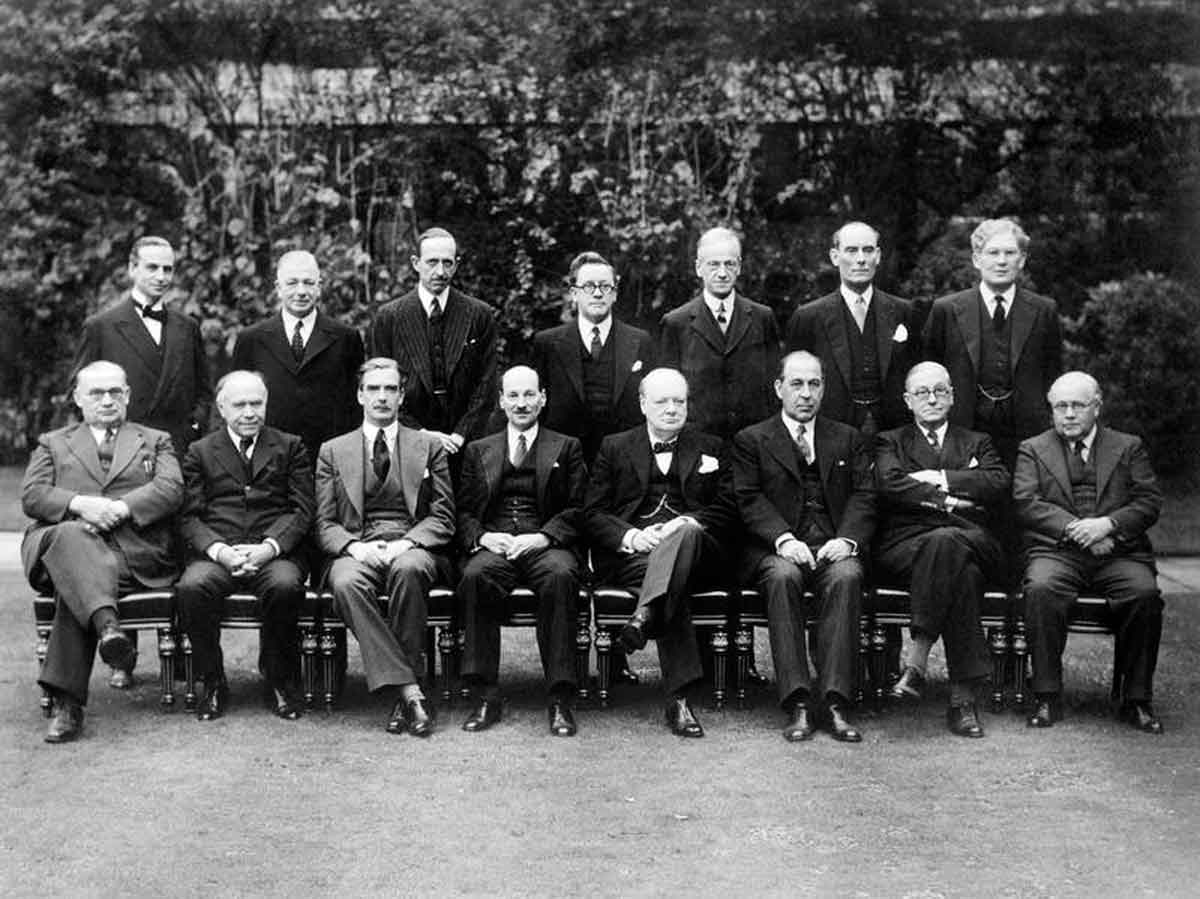
The Churchill Coalition Government 1940 – 1945: It showed that even in times of hardship and disagreement, we are strongest as a country united (Source: WW2 Today)
Ultimately, the fundamental issue is that as a nation, we aren’t able to commit to a consensus political structure as we once could have, such as during the early post war period. The subsequent partition created between the right and left has led to any political middle ground become less important and less likely to win over the voting populous. For instance, the failure of Jeremy Hunt arguably stemmed from his inability to commit to a leaving date on the 31st October, something Johnson capitalised on during the debates by stating that he would take Britain out ‘with or without a deal’ by the end of October. Hunt’s failure to gain nearly half as many votes as Johnson says a lot about both Johnson’s right-wing agenda and its appeal today as well as the continuing political split running down the middle off the U.K. at this time.
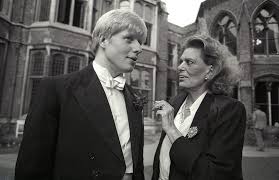
I believe that while utilising the allies forged during his early days at Eton and later, as a political Journalist, he has consolidated his power in the same ‘democratic’ way Stalin did during the race for Leadership of the Bolshevik party in 1924.
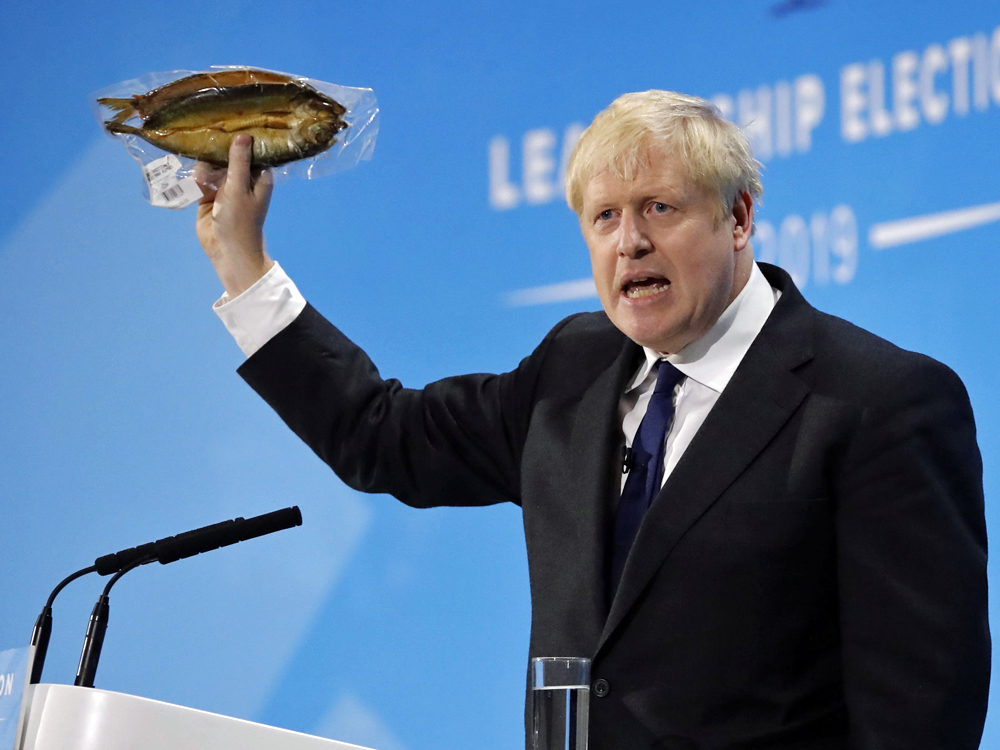
Johnson’s Cult of Personality perfectly exemplified by his fish demonstration at the Final Conservative Hustings (Source: National Post)
Similarly to Stalin, he has used his background as a basis from which he built his ‘cult of personality’. Always conscious of public image, presenting himself as the typical ‘everyman’ by messing his hair up intentionally and acting Coy when interrogated by reporters.
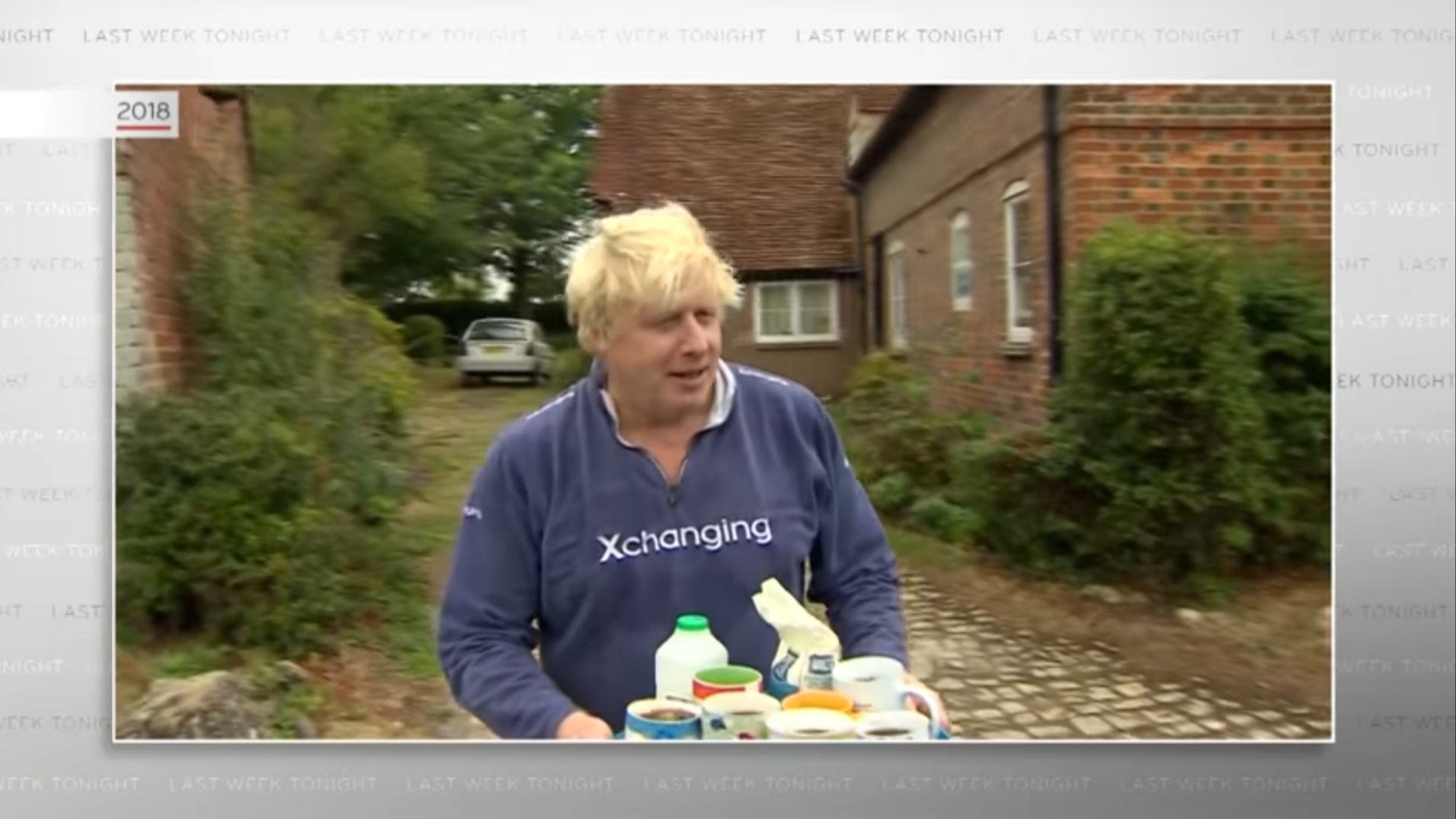
While the political circumstances are ultimately different, and Johnson hasn’t (yet) started painting David Cameron or his beloved Brexit bus out of the history books, Political Satirist John Oliver perfectly captured his ability to manipulate the political reality surrounding him in a segment on Last Week Tonight (HBO, 2019) by using the example of when reporters confronted Johnson at his country home. He uses the intentionally loud and often outlandish clothing, coupled with offering waiting reporters’ cups of tea to deflect any attention away from his comments at the time about likening Muslims to ‘letterboxes’. It’s this carefully curated political image that has allowed Johnson to amass so many followers and believers in him.
John Oliver’s segment on Johnson really provides a clear insight into how he has manipulated his public image (Source: Last Week Tonight)
However, it is the typical political Cliché of what we don’t see and how Johnson has manipulated politics among his party behind closed doors that remains equally important and should also be considered when reflecting upon both his character and his ability to govern. In taking advantage of the ties he had with Eton College London, as well as his close relationship with senior members of the Oxford Union, becoming its president as a consequence, Johnson has secured a great number of alliances with people who have become fore players in today’s political landscape. For instance, Conservative party members such as Michael Gove, Andrea Leadsom and Dominic Raab all had close interactions with him during or around the time of his success at Eton and after, during the early year of his Journalistic career at The Daily Telegraph (U.K.).
Johnson’s art of the deal (Source: Newsweek)
This enabled him to cultivate the necessary repartee among the power political circles previously denied to him by his failed stint at The Times (U.K.). Further allowed by his Editor and former colleague from Oxford Conrad Black, it has given Johnson the chance to model the typical divisive political strategy we have come to expect from him in recent years. The perfect example of this comes in the juxtaposition of his support for Tony Blair’s aid and involvement with the United States during the Iraq War in 2003. Johnson become one of the main politicians to encourage Tony Blair’s unsuccessful impeachment in 2004, which he remarked as being a ‘colossal mistake’[1]. Its this type of political leapfrog that surreptitiously allowed Johnson to get away with making some truly outrageous statements on Religion, racial diversity and sexuality, arguably enabling him to gain enough support to become prime minister.
There is little doubt that we know so how the events of the next 6 months, including Brexit, the Iranian troubles, and the weakening level of the pound against the dollar will unfold. What we do know however is the approach Johnson will take is one of a similar way that Donald trump has in his own political strategy. as with the democrats, conservatives split down the middle between those who support Boris and those who lamenting. This is evidence by the continuing resignations of ministers as he succeeded into power. This division is what got him to number 10, and potentially what would drive him out.
[1] Andrew Gimson, Boris: The Rise of Boris Johnson, 2nd Ed., (Simon and Schuster, 2012), p.265
“People used to say the society of Hong Kong is very indifferent, but what I’ve seen here is Hong Kong people very united…” –Kwong Hiu Tung, 19, University Student
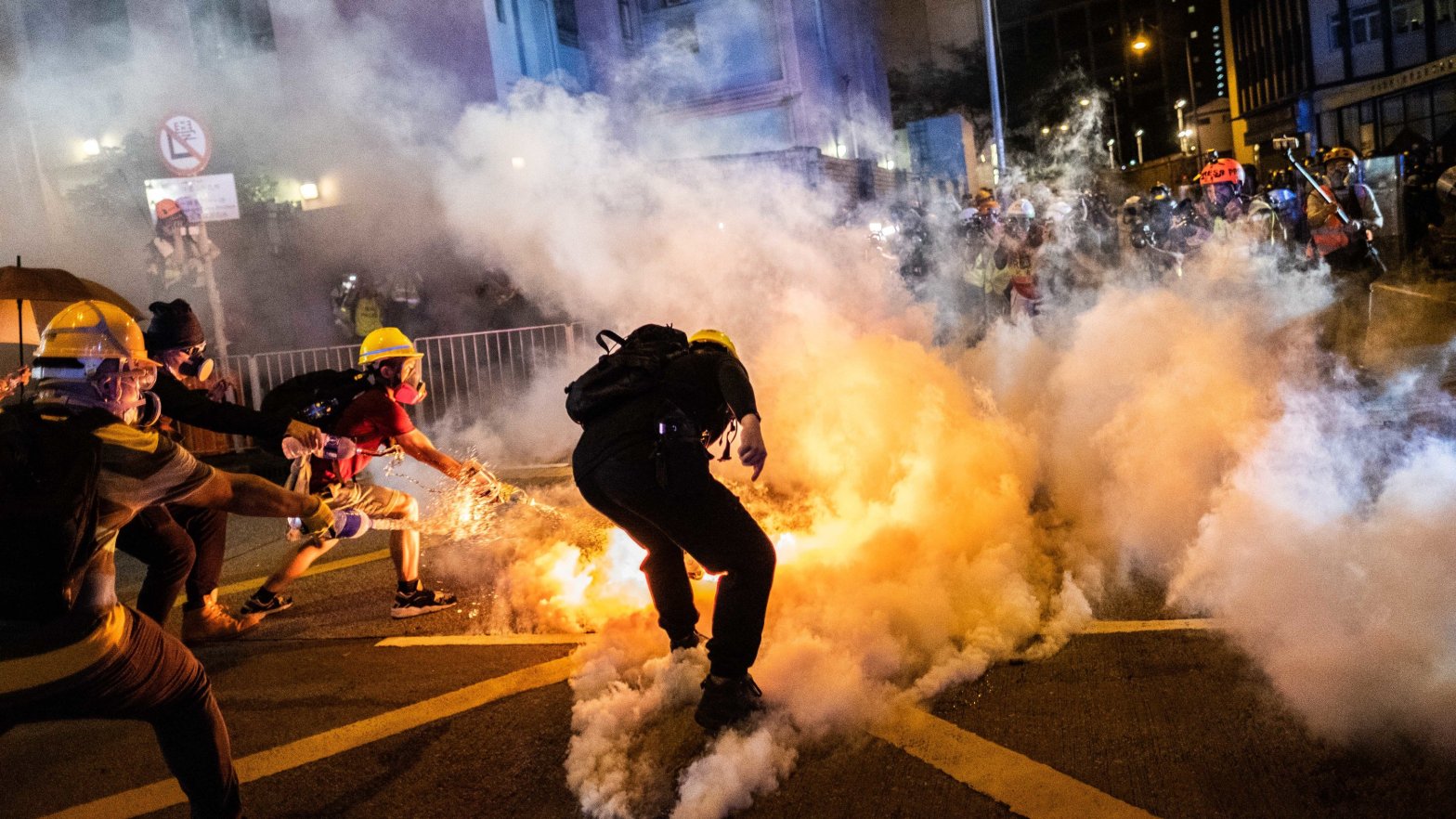
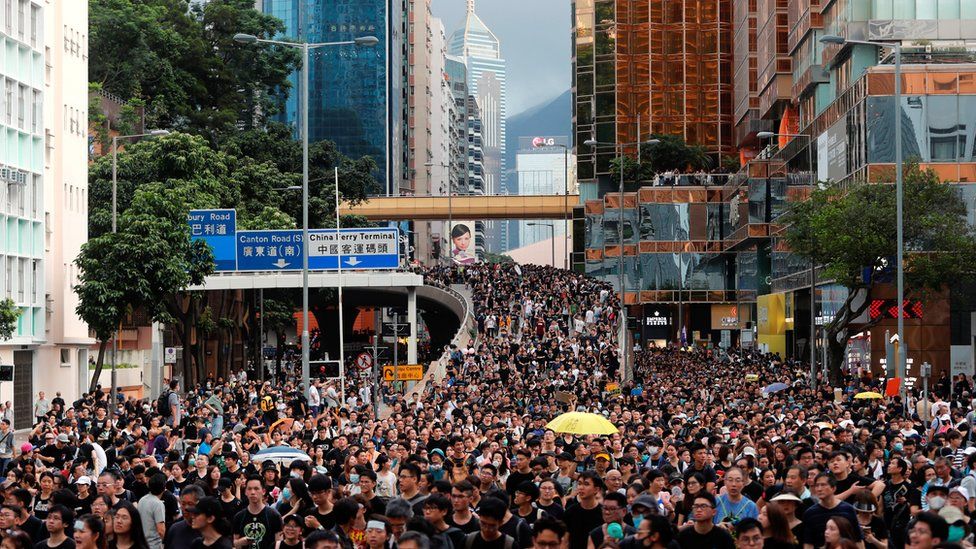
As Hong Kong enters its 3rd month of violent confrontation with the continuously oppressive Chinese Government’s influence, I’m fascinated over how passionate citizens have been fighting for the Island’s identity and freedom. This, for an island that has had independence for little over two decades now. In experiencing the final remnants of Hong Kong’s colonial legacy as a 9 year old, I would never have dreamt that the familiar yet slightly surreal roads I walked as a child would succumb to violence and revolt, on a scale akin to the early moments Tiananmen massacre. This is an analogy I use consciously.
The issues this small island face today cannot be understated and yet, the mainstream media outlets don’t seem to stress the danger far enough. In muting how detrimental China’s rule could be both for citizens and for the wider populous of both Europe and Asia, the Western World grossly underestimating the threat such a takeover could pose to international security.
While I don’t claim to be an expert, having experienced Hong Kong’s renewed sense of post-imperialist identity from a young age, the gap created by Britain’s exit has allowed violence and gang cultures to rise and evolve unchallenged through the Yakuza gangs. Even as a young child, walking the streets of the city at night with my family, this was something that I was acutely conscious of. For instance, the Chinese government has taken advantage of the rise of the Triads and Yakuza by allowing import drug controls less stringent, making the island a haven for gangs to set up their base of operations, all the while validating unofficial Chinese rule over Hong Kong’s inhabitants through the excuse of safety.
This is perfectly captured in last year’s the hit ITV programme Stranger (2018, Paul Andrew Williams) which covertly portrays the real-life concerns of citizens using the façade of serialisation. The amount of corruption, violence and even espionage taking place on the island today as a consequence of the aged and weakening infrastructure has enabled China to gain a tighter grip on the city than ever.
While dramatised, Strangers provides a good emulation of the post-colonial influence of China in Hong Kong (Source: Metro Online)
In the midst of all of this, Eurosceptics may seek to draw similarities between this and Britain’s desire to leave the EU. No doubt the circumstances are different, and no doubt at some point in the coming weeks and months, when the violence turns bloody, this will be the metaphor used. I can understand why. As a similar island people, both have considered mainland rule a threat and subsequently, desired to revolt against it. China’s excessive political controls would also be damaging to Hong Kong’s economy and trade, similar to the tariffs and regulations that we’re constantly being told have been imposed on us by the European Union. All while the island slowly becomes China’s secret drug farm. This is also why the extradition order in June was attemptedly pushed through so forcefully. It allows China to take official action against those willing to disrupt its profitable activities.
Kowloon stands strong now as it did when the expedition law was on the cards (Source: BBC)
When we talk about this revolution against China, much of the press seem to stress the economic virtues based on it. But, Hong Kong’s fight is not simply for financial independence, instead it’s a national call for the democratic freedom to express their culture freely. In the past 20 to 30 years, the decline of colonial influence has enabled the island to further enhance and develop its socio-political state, so as not to be in-line with either China or Britain, but to have and maintain its own democratic way of governing.
In allowing the country to self-govern without help or supervision, Britain has arguably weakened Hong Kong’s ability to resist China’s slow but powerful infiltration. Furthermore, not only does it epitomise the shortfall of Britain’s outdated decolonisation philosophy, but responsibility should be seen to land solely in the British Government’s hands. It also highlights how much of a threat China is willing to make on the global stage.
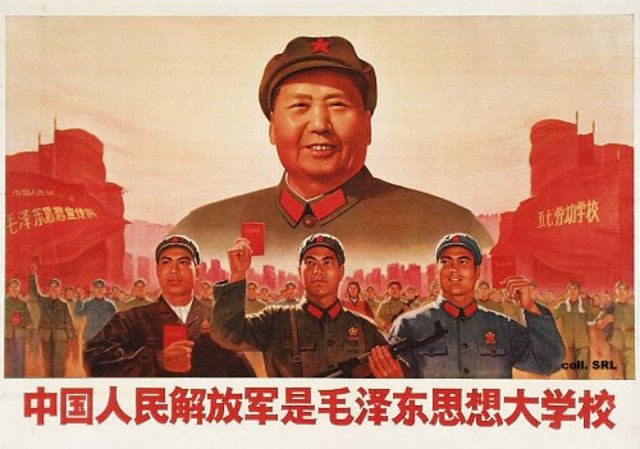
Propaganda aimed to intimidate (Source: The Guardian)
This was further reciprocated last Friday (2nd August 2019), with the release of a video by the Chinese army, gravely warning to protesters that ‘All consequences are at your own risk’, clearly aiming to echo rhetoric from their Cold War campaign of intimidation. With such a politically charged atmosphere world-wide at the moment, such a declaration isn’t only designed to highlight their willingness to demonstrate their firepower, but more-so to deliberately illustrate how much of a threat they pose on the world stage. As Hong Kong contains vital financial and political links to the west, using the island as a spring board is clearly strategic in attempting to further extend China’s influence in global markets. For instance, through allowing Yakuza gangs to dominate Kowloon, which forms part of the main financial sector of Hong Kong, the Chinese-sympathising authorities enable the disparity between the wealthy and the poorer to exacerbate the disparity of wealth within the area, stretching people to their socio-economic limit. This consequently validates their attempts to exert control over the island through drawing attention to this disparity and making false promises that this gap will be closed under their guidance. This also shows how vulnerable and desperate China is to maintain control over the island. Almost comically like ‘Spectre’ in the James Bond film series, the governments desire to protect interests in the region have forced their political elite to suppress coverage on a mass scale, and in keeping the media profile low, it also exacerbates how influential China’s political elite are.
The aforementioned Chinese influence/sympathy clearly comes across in the quote used on the 2nd August publication of the guardian, in which Hong Kong Army Chief Chen Daox states rightly that ‘These incidents threaten the life and safety of citizens.’ While the quote seems accurate and benign enough, if you put into context of the whole article on the circulation of the Protesters warning video, it becomes much more sinister and arguably reinforces what the article refers to as ‘public anger over the use of force by police’ and the subsequent civil unrest it’s caused.
China’s policy towards Hong Kong echoes its own Cold War Foreign policy of expansion, and should be watched closely (Source: TimeToast)
What’s clear throughout all of this is China’s desire to exert greater influence has been one of the continuing threats since the cold war that is only now becoming realised. Without aid and the correct style of negotiation, it’s possible events could become much worse.
Life has a strange habit of bringing opportunities you didn’t think you’d ever get, at some of the most unexpected moments of your life. In many ways, when I look back, the past twelve months have been incredibly kind to me. I’ve completed my studies with flying colours, I worked a lil’ shop job for six months, went to Cornwall on holiday and amazingly bought a car (which I love – he’s a small Seat in silver called Herbie) on the way which I saved up for since I was 14. Now I sit, perched on a sofa back in Chippenham, making the relevance of this post and possibly this site questionable. Nevertheless, I digress.
December saw me get my first full time job and this, I hasten to add dear reader, is why I have struggled to contribute any work on here since 2020. I was lucky enough to land the role of Business Journalist with Automotive World. I will not lie, the learning curve has been as steep as it has slippery, the interviews increasingly difficult, and the establishment of a form and structure more anxiety-inducing than the thought of running my fingers across a leopard hide (I don’t like stuffed animals lol).
This post is me getting my non-sensical rambles out before I return to finishing an article, on the topic of commercial freight decarbonisation no less. This site has always been a sort of portfolio, an avenue for me to explore different types of styles, subjects and forms. I know few have read this but I wanted to add something on here, no only for those that have endeavoured and taken the plunge to read anything on here in the past, but also those that remain unsure of who I am or where I’m going.
I am a writer (a nervous one at that mind you), an automotive journalist (Top Gear here I come), and a bit of a car nut. But at the end of the day, I am also learning. In the future, I may move away from professional journalist, become a scholar with the sort of fuzzy slippers you see of wizzened professors in Hollywood movies. I might just go to sales, something safe and less worrisome. I might disappear, fake my own death and move to Cuba, the world is a strange and interesting place and I want to take hold of it by the ponytail.
To date, since January 2022, I’ve written over 50 articles, and interviewed over 30 people. I’ve covered some extraordinary stories and seen state-of-the-art future technology. I’ve also had some serious lows, some genuine moments I’ve seen only in those around me before where I am paralysed with anxiety, and some doubts about my current predicament. Reading the work on here and the sample sister sites found on my linkedin (subtle plug lol) has reminded me however why I enjoy writing, what it means to me, and who I write for. I write to inform, I write to illustrate and I write to draw attention to world problems and progress in society (most articles you read on here attest to that I think).
I write for those I love, loved and hope to find in future, to show them what I am becoming and to remember where I’ve been. This site was initially platform but its since become an area of inspiration. I thank everyone whose read the work on here so far, those that have supported me, and those that clapped me on when I couldn’t continue.
Each day is a baby step but I intend to walk the Earth, however short my legs are and however long the journey. Love and peace to all ✌️
I’ll be back on here soon, but for now, I encourage you to check out AW and if you have any other media enquiries, don’t hesitate to contact me at: christopher.dyer.blogs@gmail.com or comment on the site down below!
The phrase ‘Since the war’ has been thrown around a lot recently. It exemplifies the British attitude to times of crisis. It illustrates the country’s opportunism and ambition. In its way then, it’s very Johnson-esque… vastly overplayed to undermine the tragedy not just of human life but the gross and criminal misconduct of those at the apex of power. The crisis and poor response by the government in comparison to other European powers has already cost so much for so many. Within this, a steady stream of rhetoric has emerged from the dug-out of 10 Downing Street, a wet whimper of a message failing to support frontline staff and pump greater finances into the economy.
The sort of rhetoric we saw under Cameron and May, attempting to make Britain great again (?) Source: gov.uk
The U.K. suffers in much the same way the United States does, silently monetising the treatment for Coronavirus, giving those who can afford to spend thousands on healthcare a lifeline at the behest others at the opposite end of society, who die in their homes without the care and attention they need. The guidance to stay inside only goes so far Mr Johnson. We can’t afford to be admitted to St Thomas’s hospital and get the treatment we need. We’re expected to take as many precautions as possible with the little resources we have while people at the top of society enjoy the abundance of resources and ignore the needs of the many. In short, welcome to post-Brexit Britain.
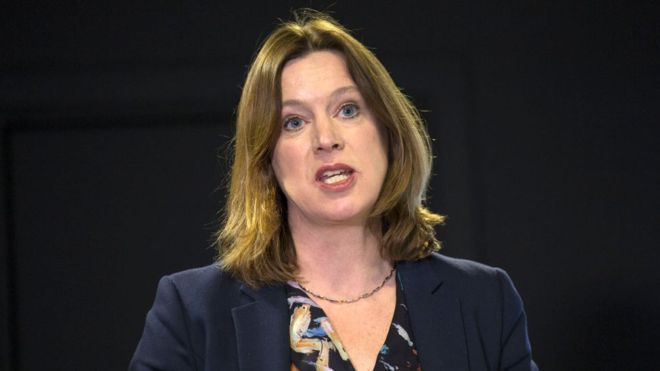
I am not a socialist. 5 words with enough political emphasis and variety of implications that would make your eyes water. Nonetheless, I am not for the financial castration of the wealthy, especially those that worked to earn it. What I am against is the hypocrisy of those such as the Scottish Minister for health who was caught travelling between her two homes on several occasions over the last couple of weeks. It’s a big problem that can only get worse if new political figures don’t step forward and guide the future of the country as it needs to be toward a bright and new future.
Practice what your preach: Catherine Calderwood’s resignation at the end of last week Source: BBC
Political actors attempting to set the example has become one of the great clichés of 21st century politics. They broadly dictate what they want with a flippant wave of their wrist and dismiss any criticism as either ‘fake news’ or attempt to simply skirt their way around questions regarding their taxes, their private life or any other vulnerabilities which would otherwise leave them out to dry.
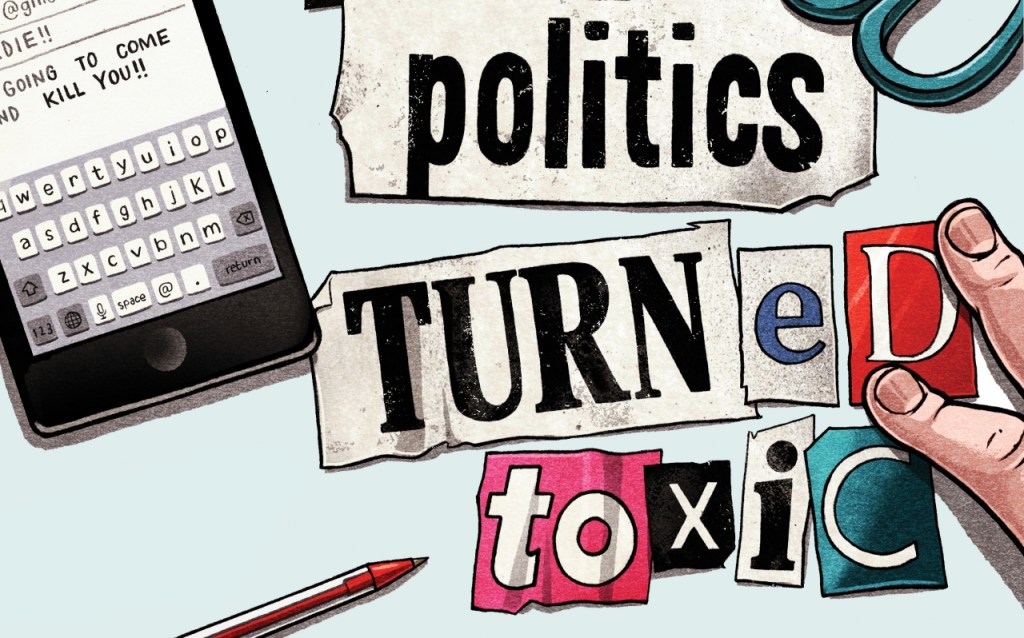
As the New Statesman so perfectly shows, the effect political acting can have is brutal and wrong. Source: newstatesman.com
If this crisis has emphasised anything, it’s the need for increasingly active members of society to step forward into the political frame and begin what will be a long, hard and trying push toward a society driven by progress and ambition, not by the lust and greed of those with off-shore bank accounts and weird Land Rovers which inexplicably always have aftermarket LED headlights.
While I make light of this, I fundamentally believe if our society can pull together in the way that I have first-hand seen it do during the crisis, to similarly push those in the hot seats of politics into driving the change we want to see for the benefit of generations to come, we can make real progress in this country through the coming decades.
While concerns have been raised about security, Zoom has given students a chance to attend school and University again and see their friends again. Source: ITV
As a university student, it’s very easy to make these blasé statements of intent towards fixing or changing society for the better. I know there will always be barriers and limitations that get in the way of what we want to achieve, but as I said, since the lockdown, I have seen and heard extraordinary stories of people coming together to create more closely embroidered communities intent on keeping one another safe and happy. From a personal perspective, I have seen my friends and peers work together to create fun, interesting and dare I say memorable(?) moments over apps like Zoom and Skype. The active nature of so many to bring joy, happiness and a sense of optimism into our homes and lives in such an uncertain period would have been unfathomable before this. It stands as a testament that we a collective can achieve as much as we can put our minds to.
If we put our minds to it, we can achieve anything. Source: StockImages
In that case, why not do more? Why not build a new engineering project, write a new book or article, start actively engaging with politics now some of us have the time to do it?
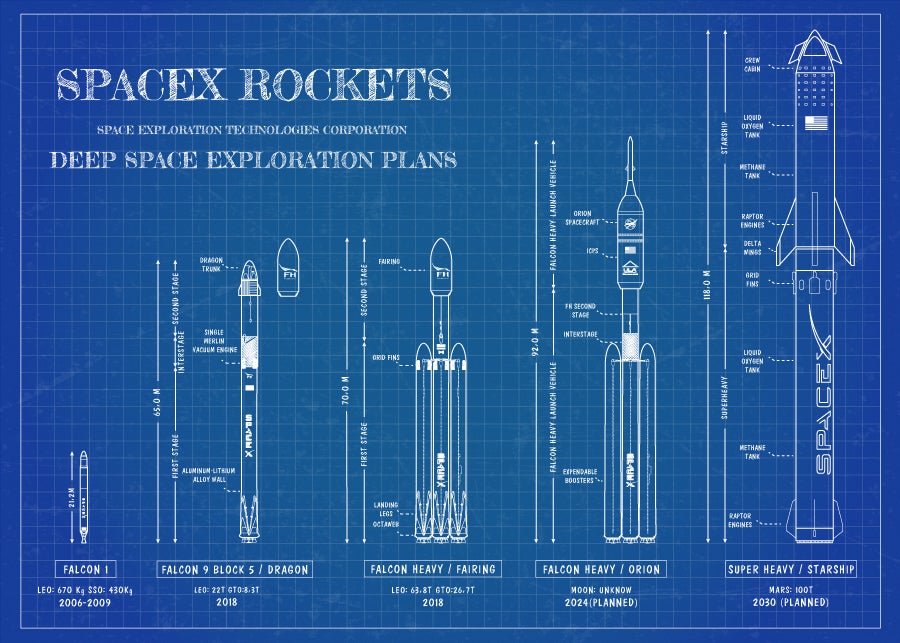
Got spare time? Why not design a rocket, how hard can it be? Credit: u/BlueGalaxyDesigns via Reddit
Now is not the time to rest on the old. Now is not the time to compare this crisis to those that have come before. Losing those around us needs to be a wake-up call. It’s time to put age old feuds, anxieties and hates to bed, to start putting those who hurt or lied to us, out of minds for good. It’s time to start something new. Small or big, for the many or the few, even if means trying to do one more rep, one more design, even if it means trying to get up after a bout of depression, now is the time to do it.
2020. What a start we’ve had. From wild bush fires to the death of a basketball legend, January has been a broiling pot of tensions, fears and unfortunate issues that have culminated in a perceived public desire to escape and return to simplicity.
I was sat on the Tube yesterday, on my way back from a weekend visit to my family, when I saw a young mother and her two daughters, just sat there, thumbing through the Evening Standard’s Gossip page. Clearly the allurement of Social Media isn’t as present in young people as it used to be. Pictures of devastation following the Terrorist ‘incident’ last week and the terrorist’s face plaster the front cover…
And yet the family doesn’t discuss it, they all pour over the suit a an actress was wearing. What matters here is that London is, as it always has been, moving. Still quietly observing but none-the-less, moving at its usual brisk pace. The rise of the hashtag #Londonisopen following Britain’s departure from the E.U. is confirmation of this, the desire of the many hundreds of thousands of people that live in the city that life will continue to go on in the face of the most adverse problems to date. Whether they be political, social or international, the British Metropolis is still ‘open for business’ to use the Australian Open chair’s phrase following Djokovic’s win on Sunday.
With greater problems on the horizon already in terms of the Wuhan Virus, economic uncertainty in the transition period for the U.K., and an extreme rise in the far right’s control of the political landscape, we need to maintain our own stand against the aggressors, who or what ever they may be. We need certainty, we need stability and while we currently have neither, the things we do have is ourselves and our minds. That’s something nobody can take away from us. We are and will remain ‘Great Britain’ in 2020, even if it doesn’t feel like it and while one month is already over, there is a great deal of time to still make it your year and even, your decade.









 72° from Chippenham